




The Silent Screams of a Nation: Walking the Ground My Great-Grandfather Fought For

The Silent Screams of a Nation: Walking the Ground My Great-Grandfather Fought For
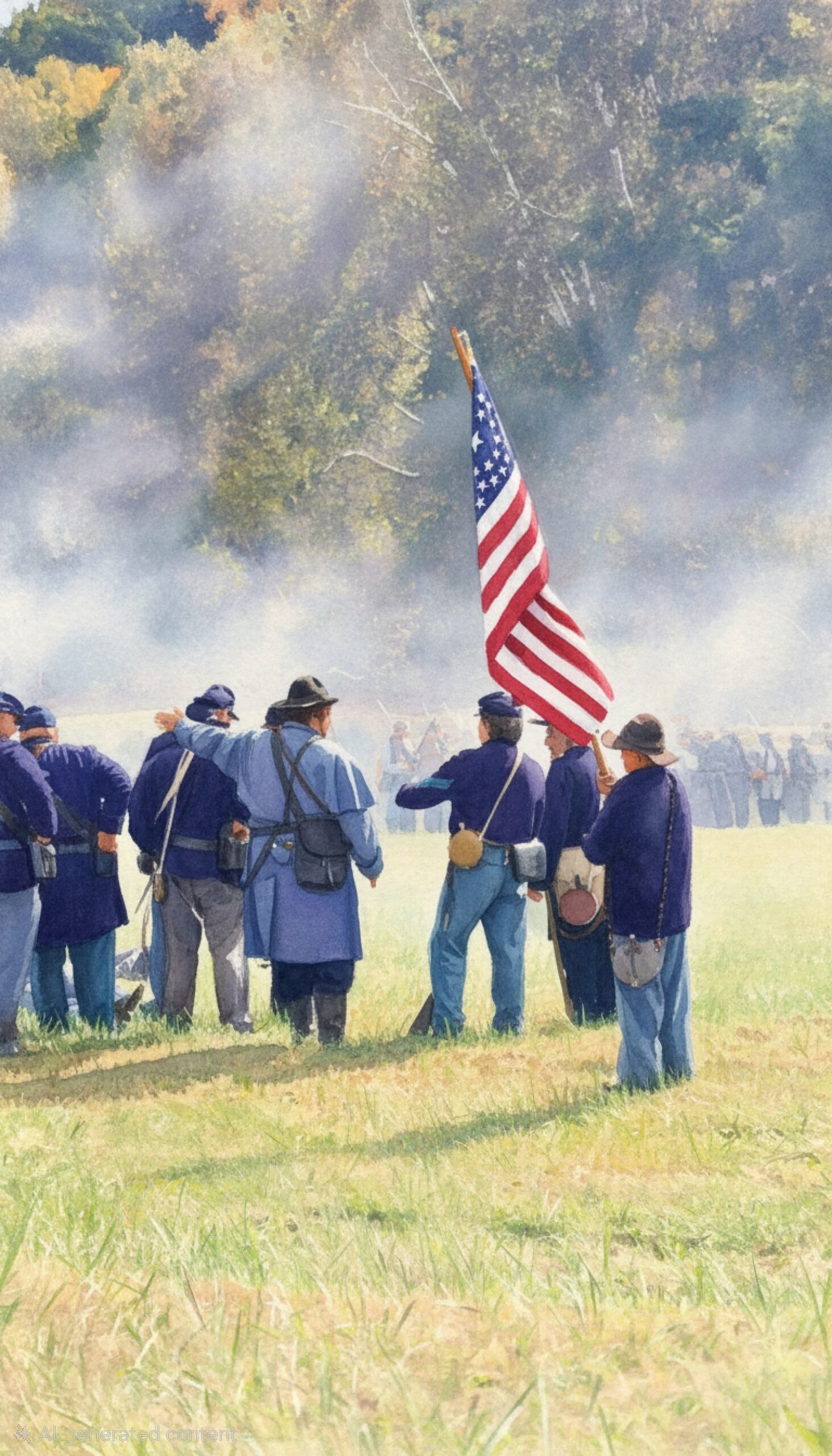
As I traveled through Illinois, Indiana, Kentucky, Georgia, and Florida on the final leg of The Great American Heartland Tour—a six-and-a-half-month journey that carried us through 22 states—I found myself walking the same ground my great-grandfather once marched.
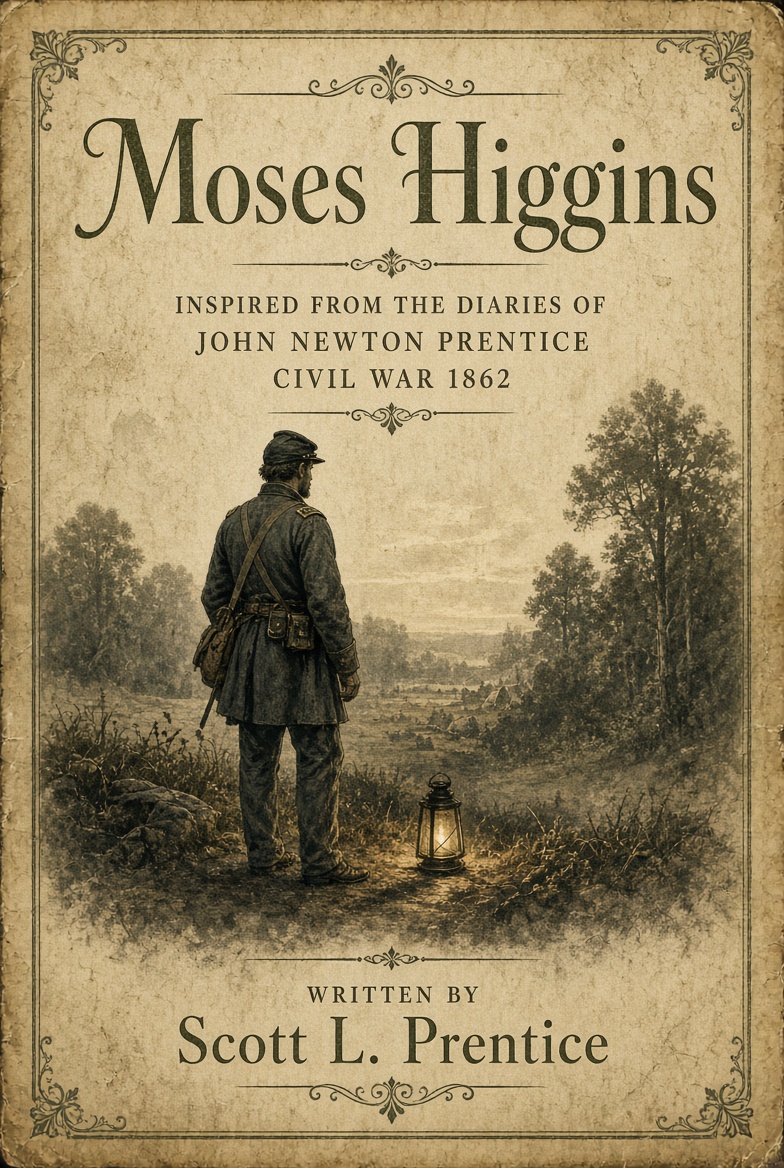
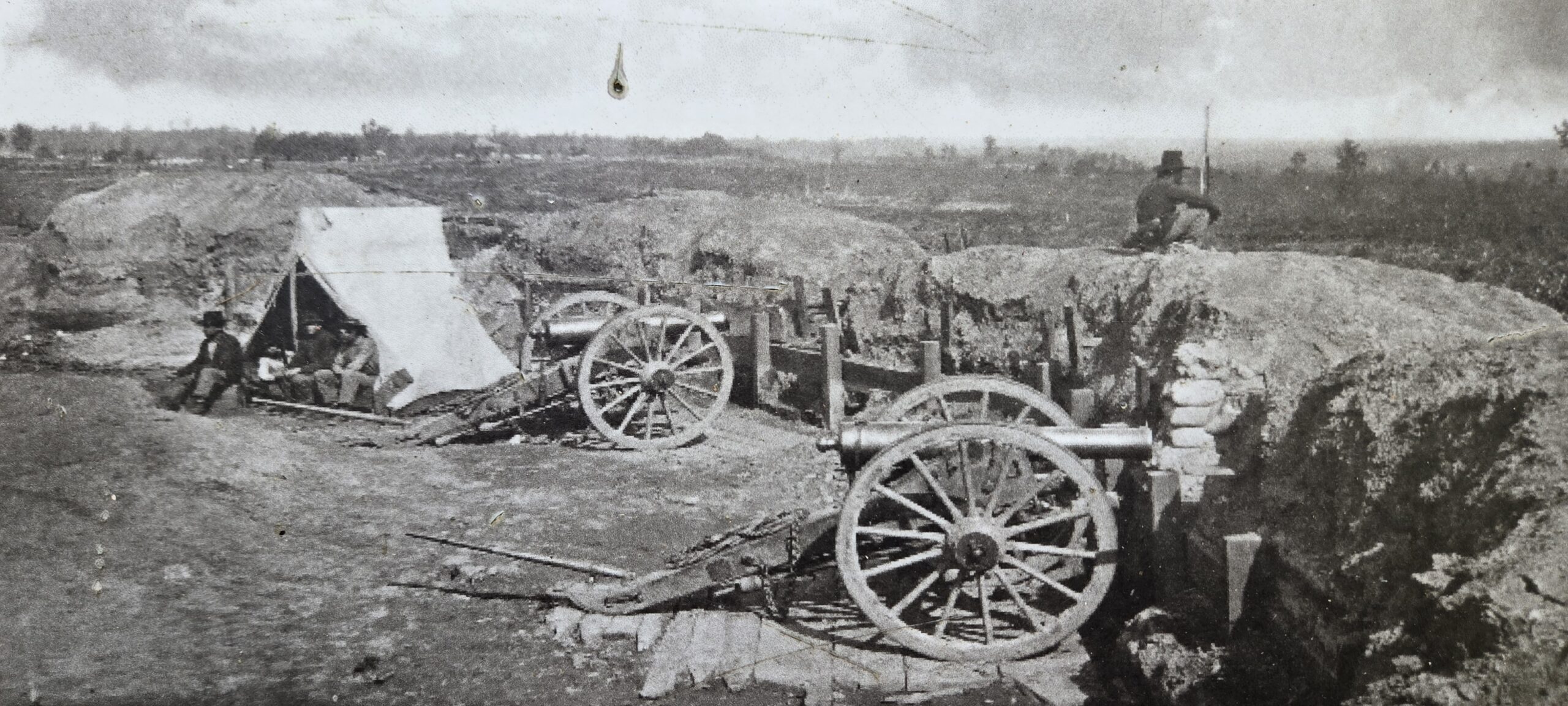
John Newton Prentice served as an infantryman with Company A of the 57th Illinois Infantry. He left behind diaries written in the field, and reading them while standing at places like Perryville, Wildcat Mountain, and Allatoona Pass changed the way the war felt to me. It was no longer history on a page. It was ground that still held the weight of what happened there.
Whether I was walking the paths at Perryville or standing on the red clay at Allatoona, I could almost hear the silent screams of the hundreds, if not thousands, of young men who fought and died on those fields. I knew, in a distant way, what soldiers experience. I served in the Army myself. But standing there, I understood I didn’t really know. Not even close.
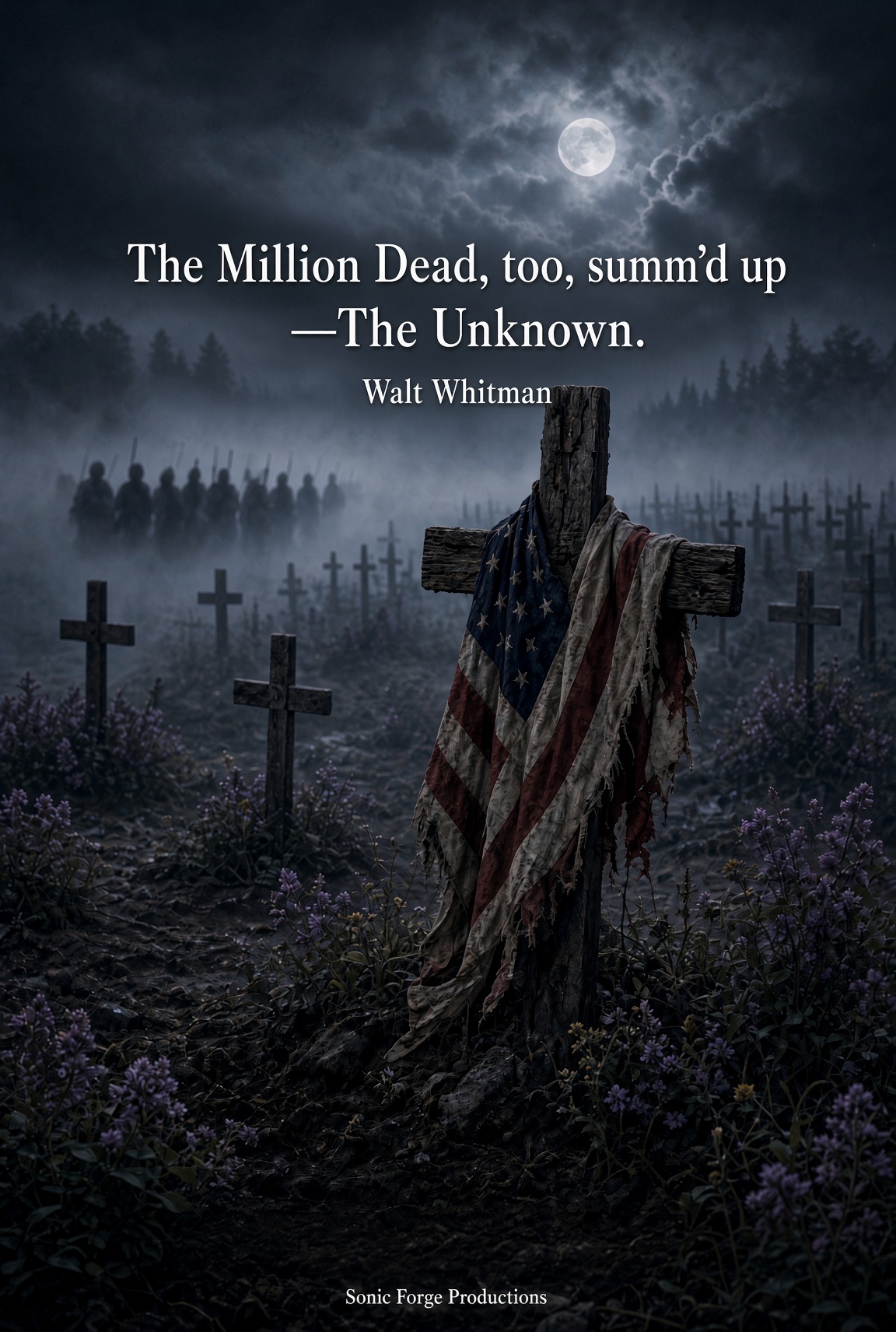
That realization is what led me to return to Walt Whitman’s “The Million Dead.” No matter where I went across those states, I could feel the cries and the pain that Whitman tried to hold in language. I began to understand the grueling struggle the country and its people were living through—a defining moment when the fight for freedom for all men was being decided in blood and mud.
President Lincoln’s bust in my home state of South Dakota carries a deeper meaning for me now. I’m glad I made the trip. And I’m grateful my great-grandfather left his pen and his words so that, more than a century and a half later, I could stand where he stood and begin to understand.
The video below is part of that ongoing effort to honor both the men who fought and the writers who tried to make sense of what they left behind.