



Perryville Battlefield: Kentucky’s Bloodiest Day —

Perryville Battlefield: Kentucky’s Bloodiest Day —
Update: October 12, 2026
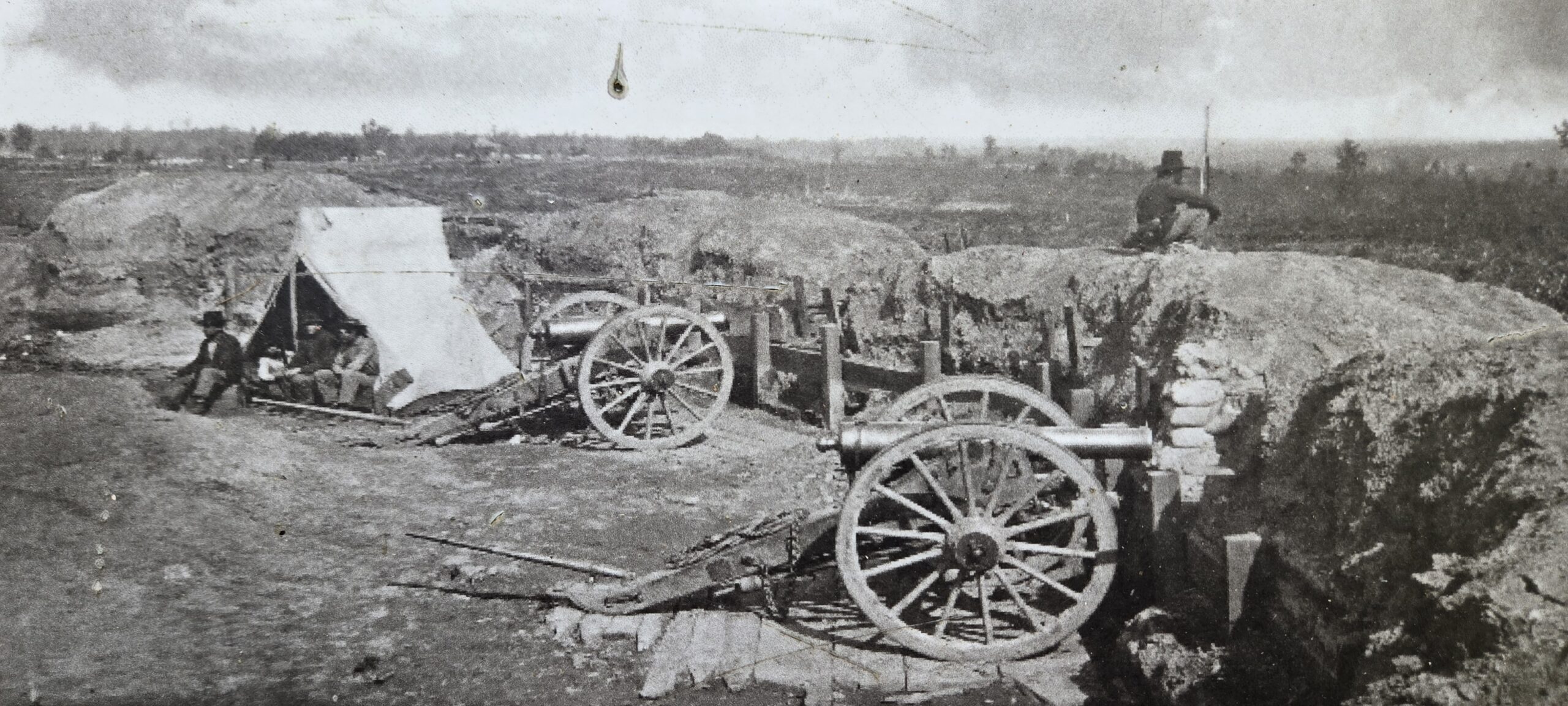
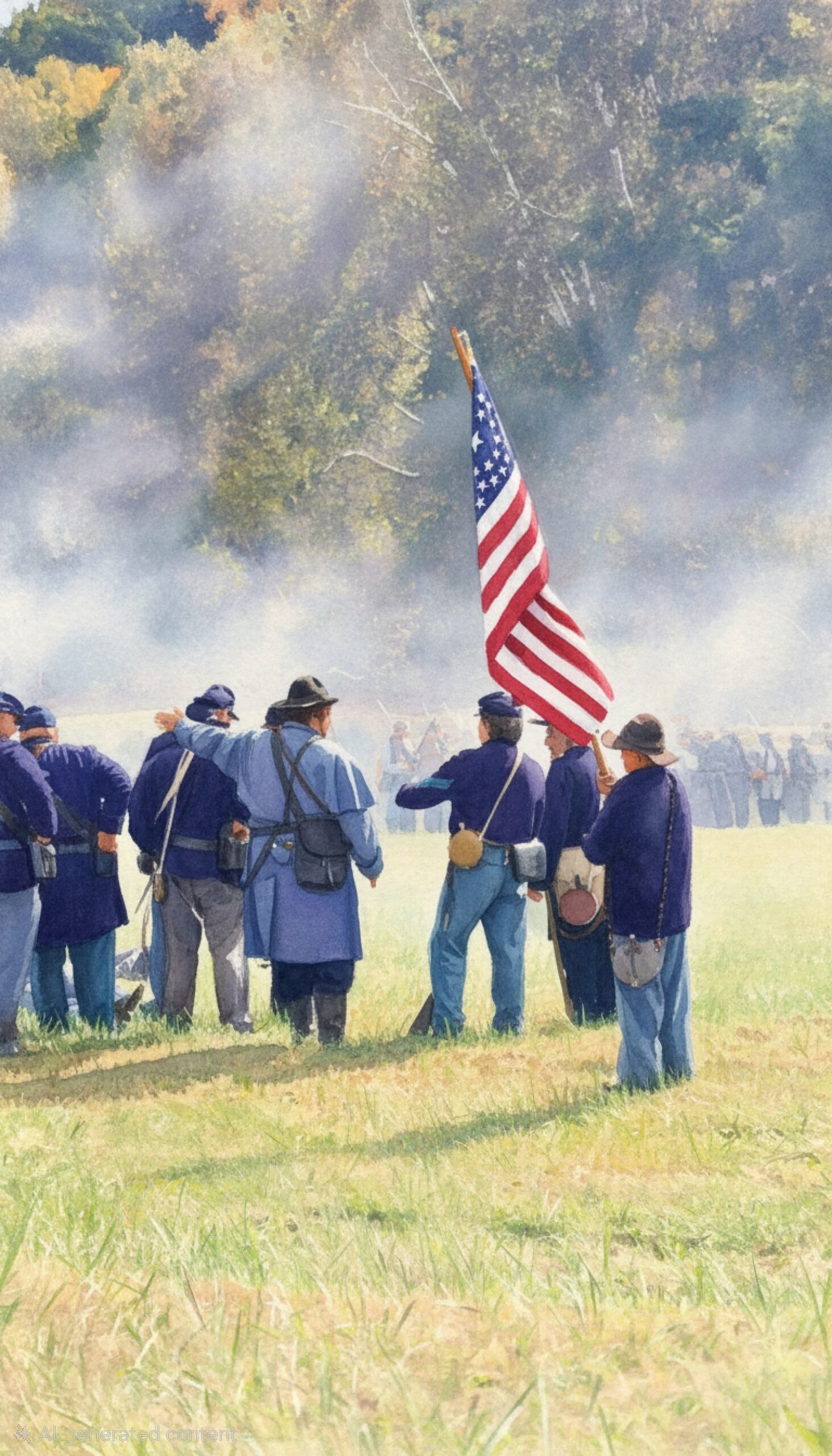
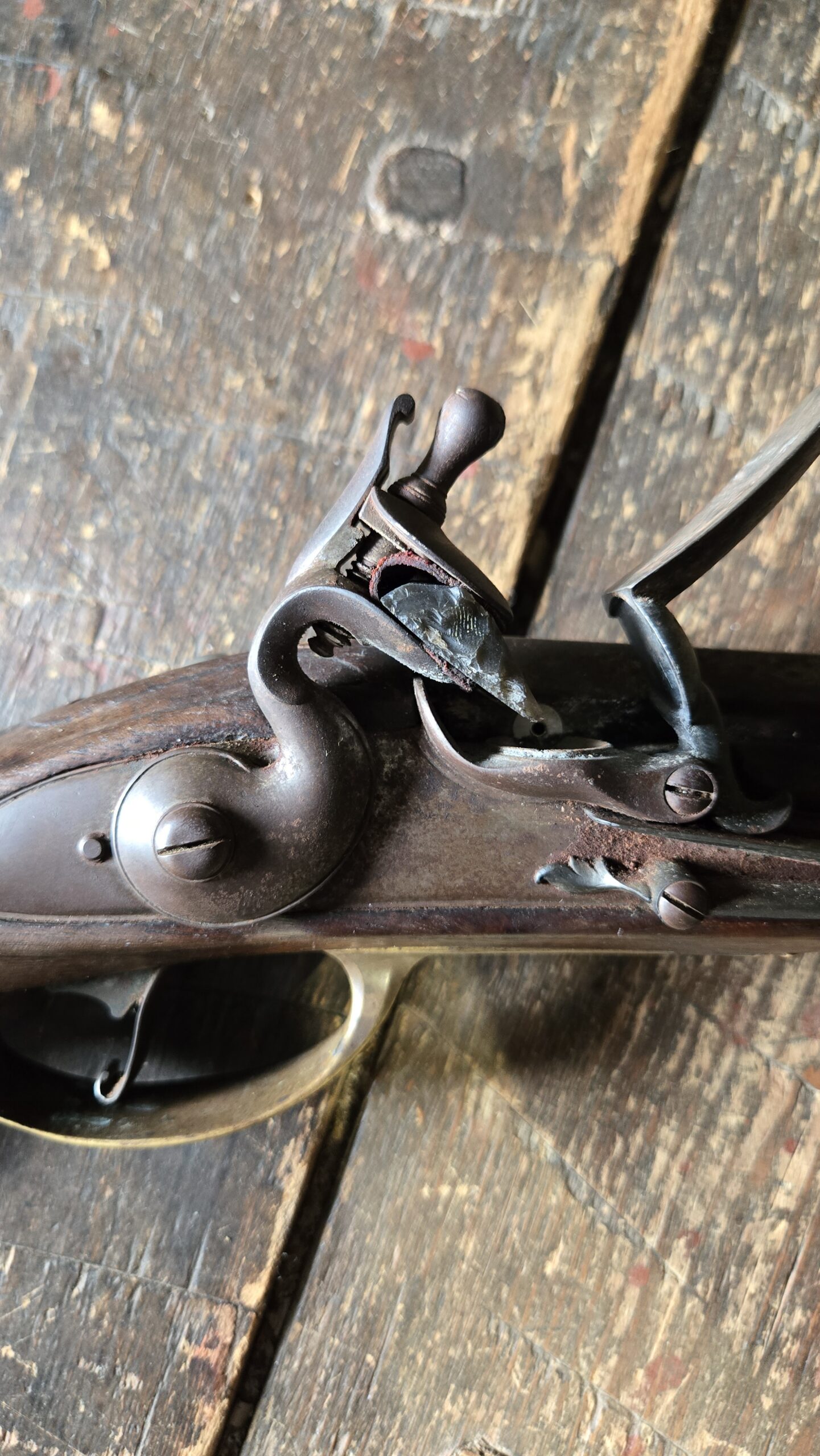
Almost a 164 years after this horrific battle, I step back in time. Same season, same drought and same weather. Perryville Battle Field’s erie stillness and quiet day brought many emotions and thoughts to my mind as we wondered through the valleys and rolling hills. To say the least it was very sobering.
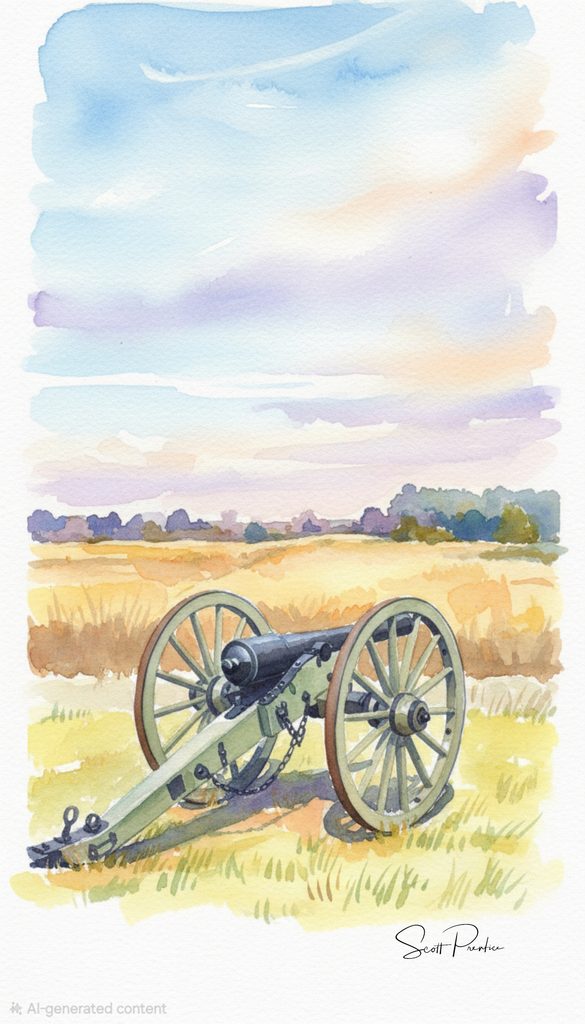
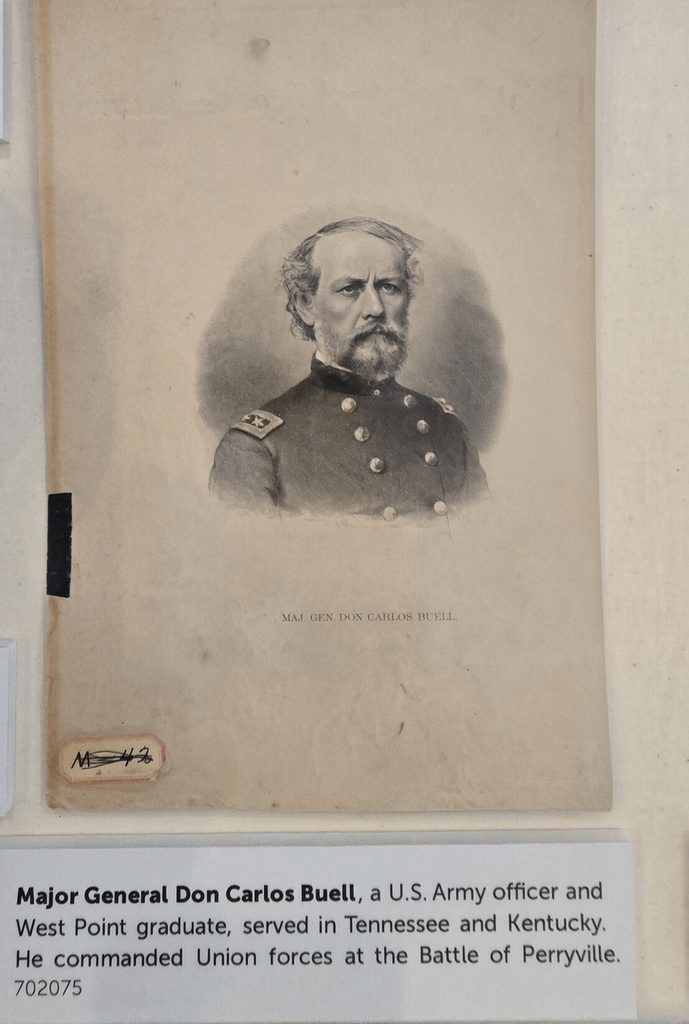
On October 8, 1862, the rolling Chaplin Hills west of the small town of Perryville, Kentucky, became the site of the largest and bloodiest battle fought in the state during the Civil War. Roughly 16,000 Confederate troops under General Braxton Bragg clashed with about 22,000 Union soldiers from the Army of the Ohio under Major General Don Carlos Buell.

Listen to narrated highlights of The Battle of Perryville
What began as a fight over scarce water sources in a severe drought escalated into a full-scale engagement that left approximately 7,500 men dead, wounded, or missing. Neither side could claim a clear tactical victory, but the battle marked the high-water mark of the Confederacy’s Heartland Offensive—the last serious attempt by Southern forces to seize control of Kentucky. Bragg withdrew, and the Union retained the border state for the rest of the war.
A period map of the battlefield, drawn with Union positions marked by open bars and Confederate lines in solid black, shows the dense clustering of units along the ridges and roads west of town. Springfield Pike, Chaplin River, Doctor’s Creek, and the high ground around the open ridge all appear, along with the first and last positions of the opposing armies. The scale and the compass rose make clear how compressed the fighting was across a few square miles of hills and creek bottoms. Looking at that map today, with the glare of a museum case removed, the lines still convey the intensity of the day—regiments of Illinois, Indiana, Ohio, and Kentucky men trading volleys at close range while Bragg’s Army of Mississippi pressed forward until the weight of Buell’s larger force became clear.
This stop on our Great American Heartland Tour was a wake-up call of the blood shed for the freedom all men have in this country. After the miles already behind us, Perryville offers a chance to walk the same ground where the campaign that decided Kentucky’s fate reached its climax. The preserved battlefield and the town itself still hold the feel of that October afternoon.
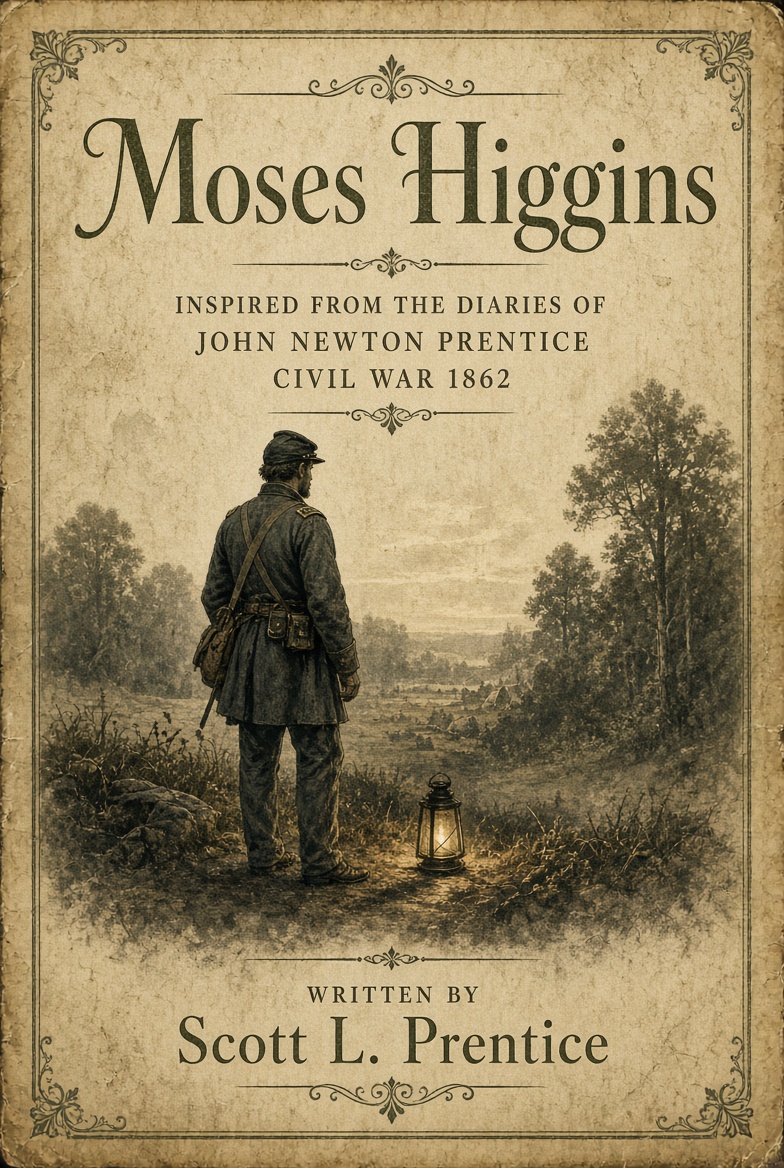
Private John Newton Prentice of Company A, 57th Illinois Infantry, was not among the men who fought here. On October 8, 1862, he and the rest of the 57th were hundreds of miles away at Corinth, Mississippi. Only days earlier, on October 3–4, the regiment had helped repel a determined Confederate assault on the railroad junction. In his diary Prentice recorded the opening of the fight—“The rebels attacked about 3 miles from Corinth with heavy force and our Division was compelled to fall back to the town but no farther”—and the second day’s result: “The enemy are shelling the town at 10 a.m. A general engagement commenced early this morning and after desperate fighting they are whipped. Our forces have drove the enemy 8 miles and are still fighting.” The regiment then joined the pursuit toward the Hatchie River that continued through October 12. While the armies clashed at Perryville, Prentice’s unit was still cleaning up after its own hard fight and chasing the retreating Confederates deeper into Mississippi.
The two actions occurred in the same week but in different theaters. Perryville decided the fate of the Kentucky Campaign; Corinth secured the vital rail hub that Grant’s forces had seized the previous spring. Both places matter to the larger story of the Western Theater, and both matter to the family record we have been carrying with us. Standing on the Perryville field will put the map into three dimensions and remind us how close in time—and how far in distance—another chapter of the same war was unfolding for the man whose diaries we still read.