






Stepping Back in Time at the Battle of Camp Wildcat Reenactment

Stepping Back in Time at the Battle of Camp Wildcat Reenactment
We pulled into the Battle of Camp Wildcat reenactment site near Hazel Patch, just outside London, Kentucky, about an hour before the main battle was set to start. The plan was simple: walk the camps first, see how the reenactors lived the day, then watch the fight. What we found was one of the more complete living-history setups I’ve walked through in a long time.
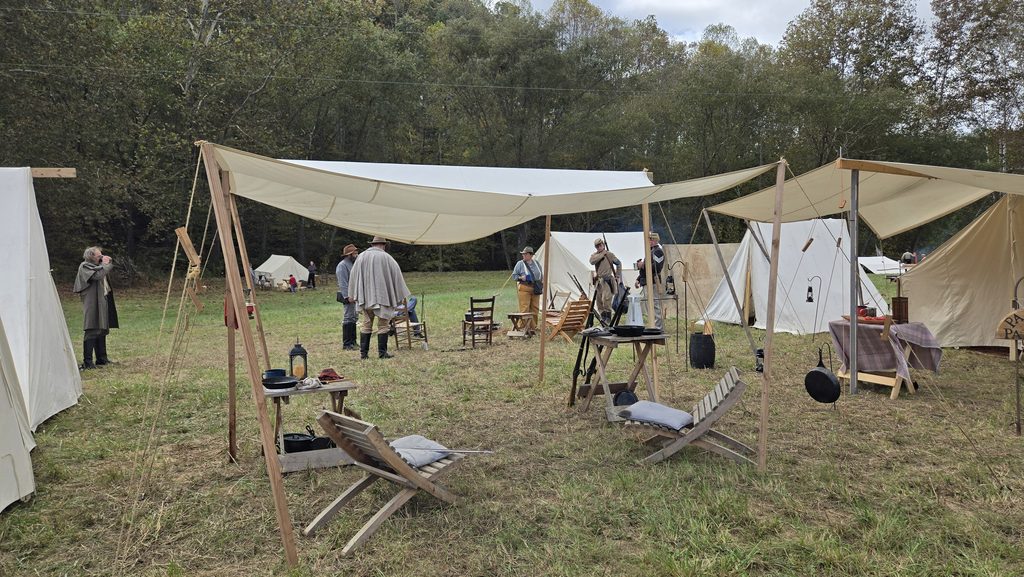
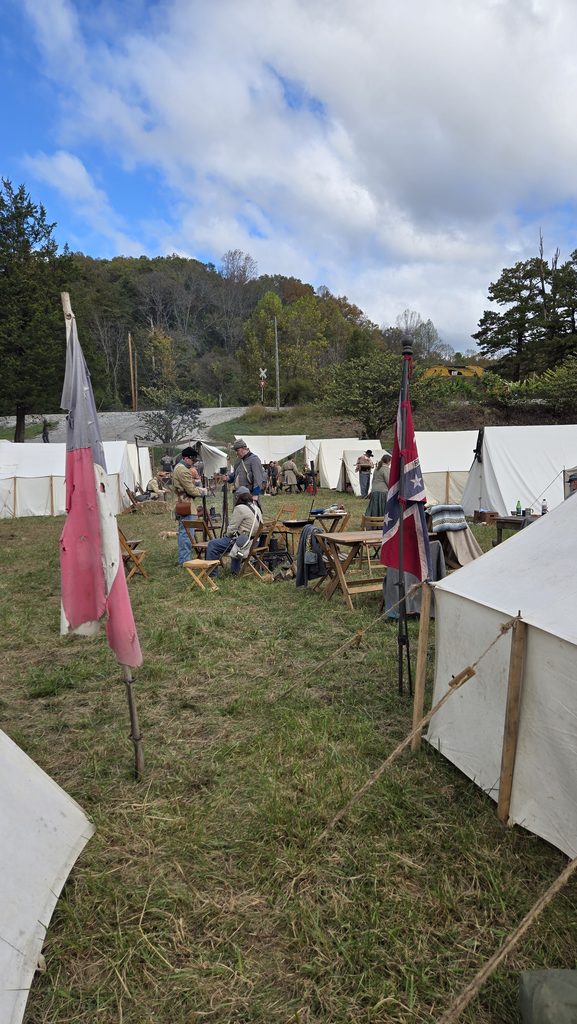
Both the Confederate and Union camps were open. Tents, cooking fires, stacked arms, and men in period wool and butternut were already settled in.
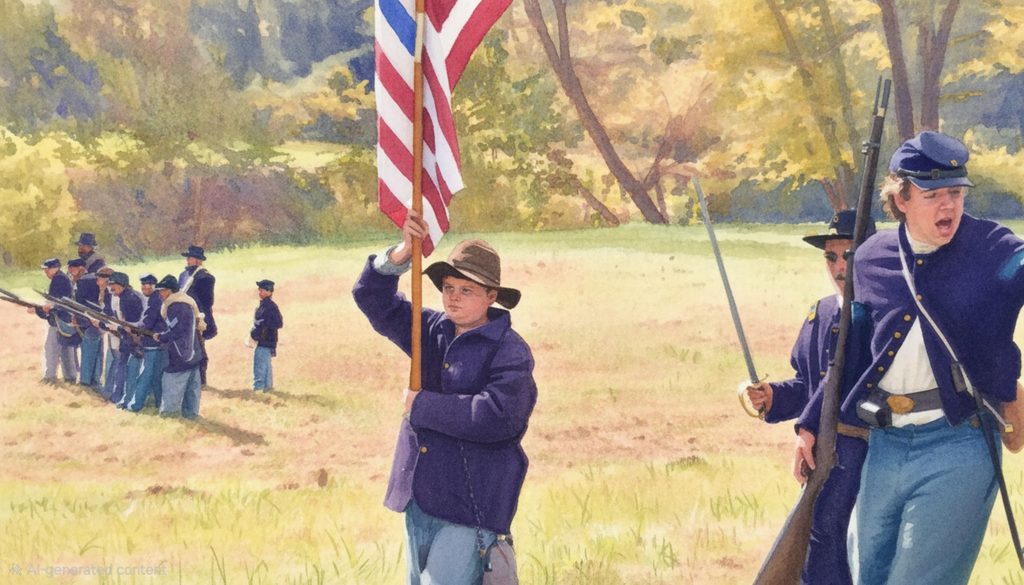
The uniforms looked worn the way real ones did—not costume-shop new. Some of the fellows we stopped to talk with have been doing this for decades.
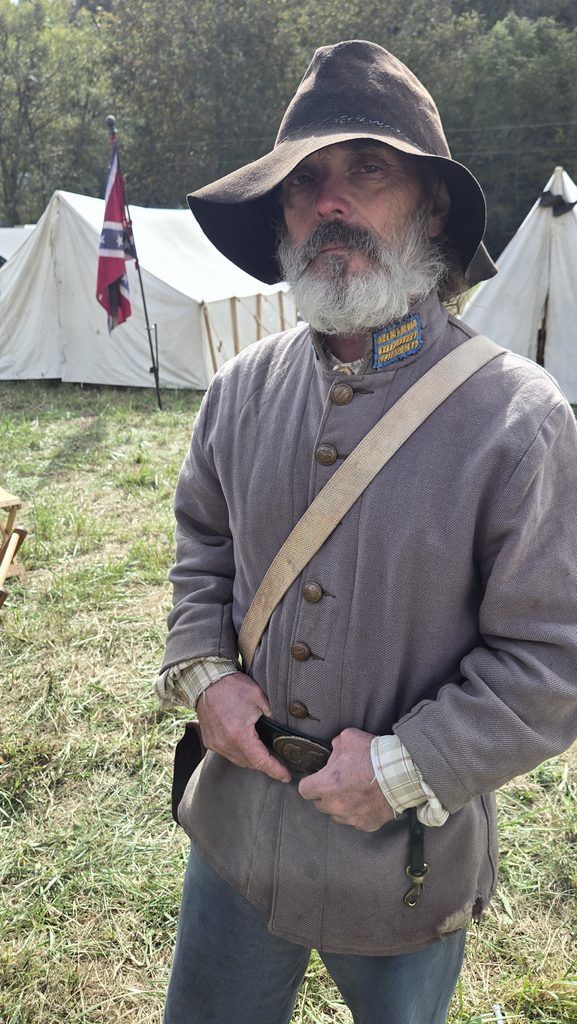
One man told us he’d been reenacting for more than forty years.
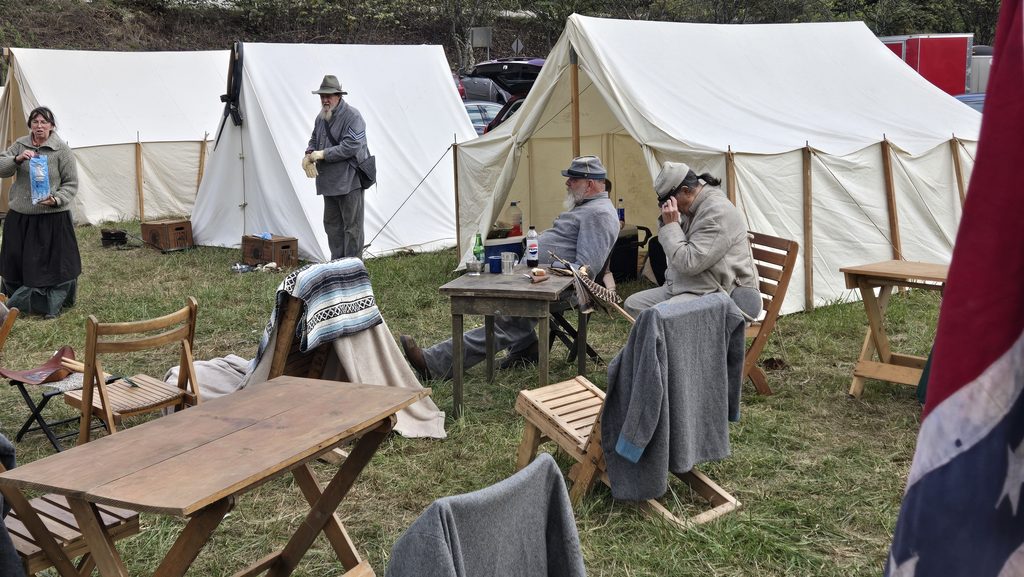
You could hear the difference in the way he described the small things: how the cartridge boxes sat, how the camps were laid out, what the weather was doing to the powder that day.
Conversations like that make the difference between a show and something that actually carries the weight of the period.
Seeing the Abraham Lincoln and General Grant impressions was the clearest “this is not 2026” moment of the afternoon.
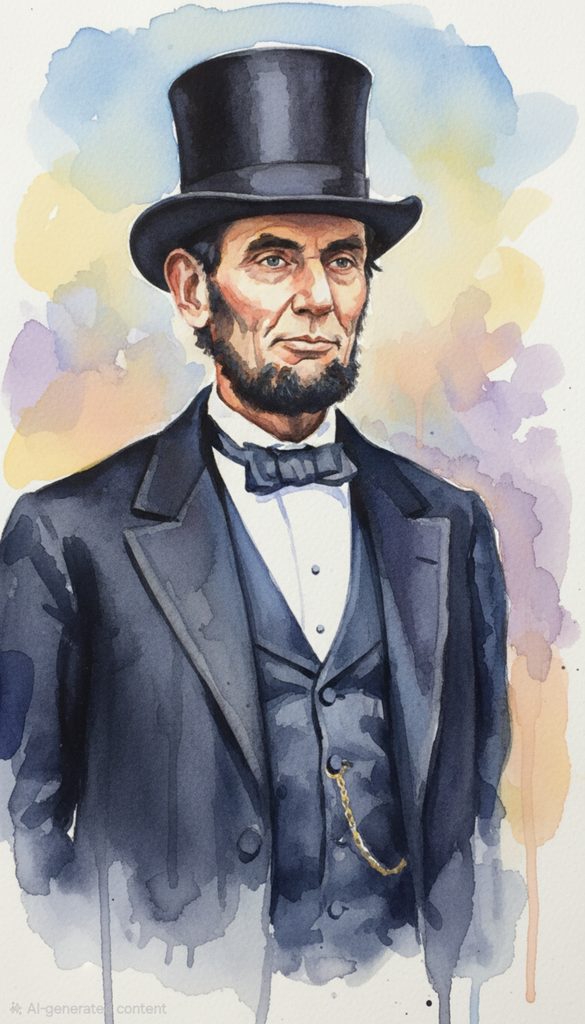
The details in the clothing and the way they carried themselves made the distance between then and now feel shorter than it usually does.
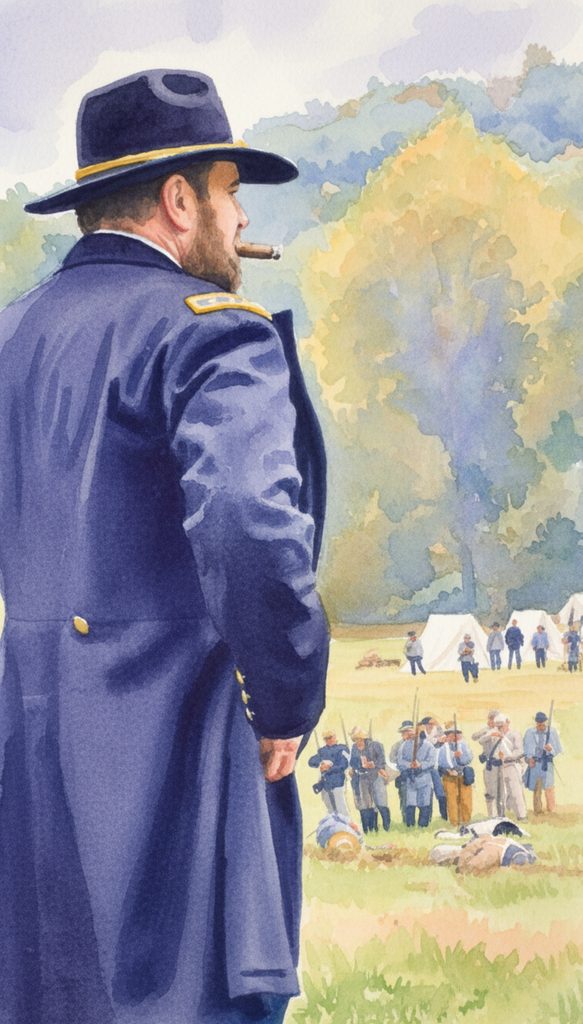
We stood and watched for a while before moving on.
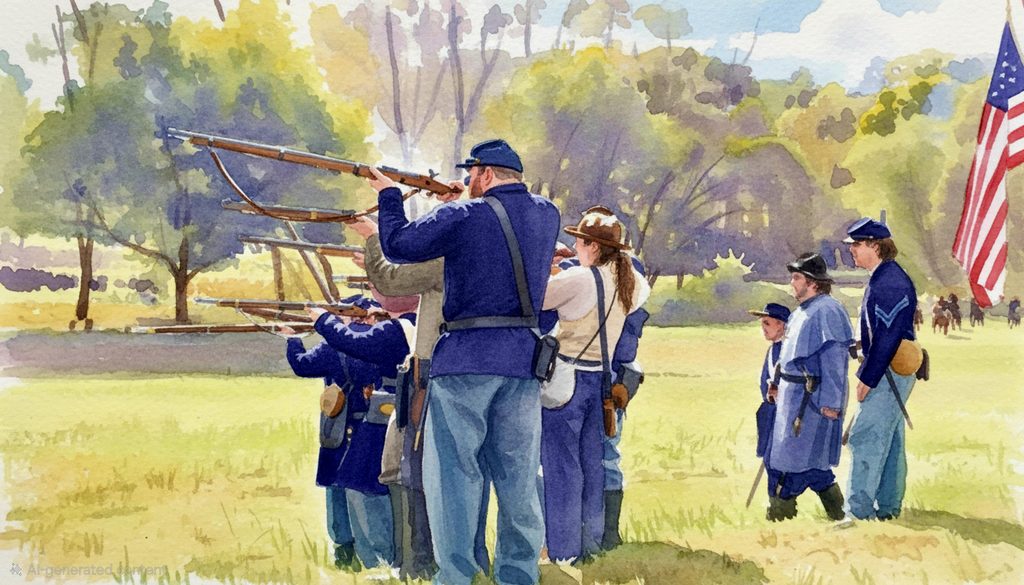
The whole camp area had that same quality—people going about ordinary camp tasks in full kit, the way soldiers and civilians would have done it in the fall of 1861.
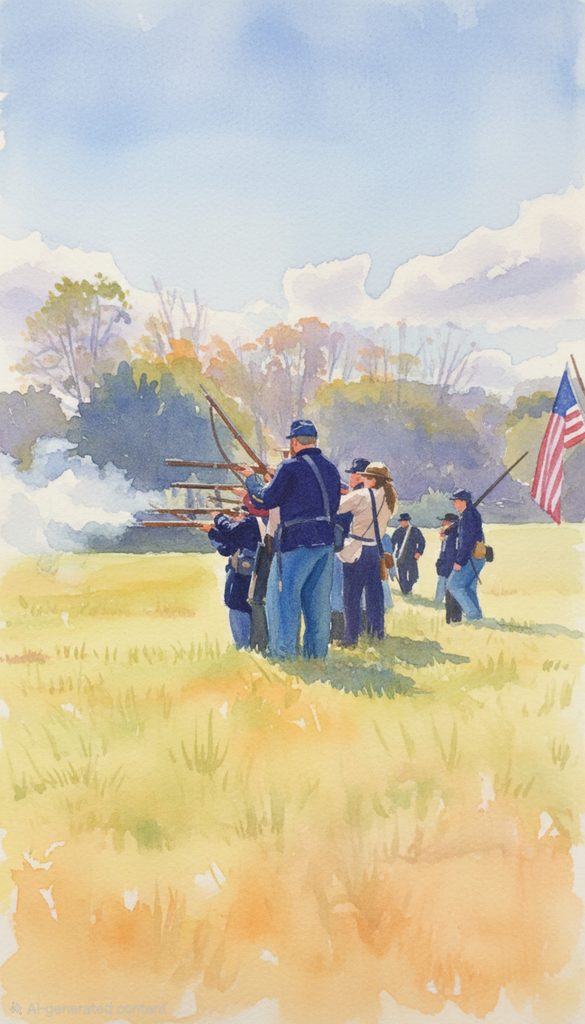
The original fight happened on October 21, 1861, right around these hills.
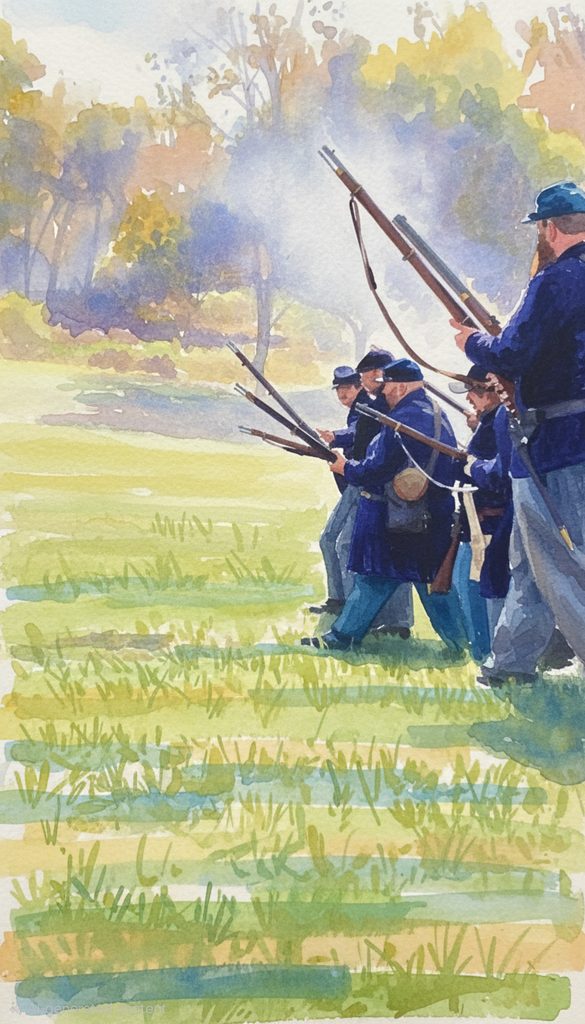
Confederate Brigadier General Felix Zollicoffer had moved north out of Tennessee and up the Wilderness Road after earlier skirmishes. Union forces under Colonel Theophilus T. Garrard had established Camp Wildcat in the Rockcastle Hills to hold the high ground and block any further advance toward central Kentucky.
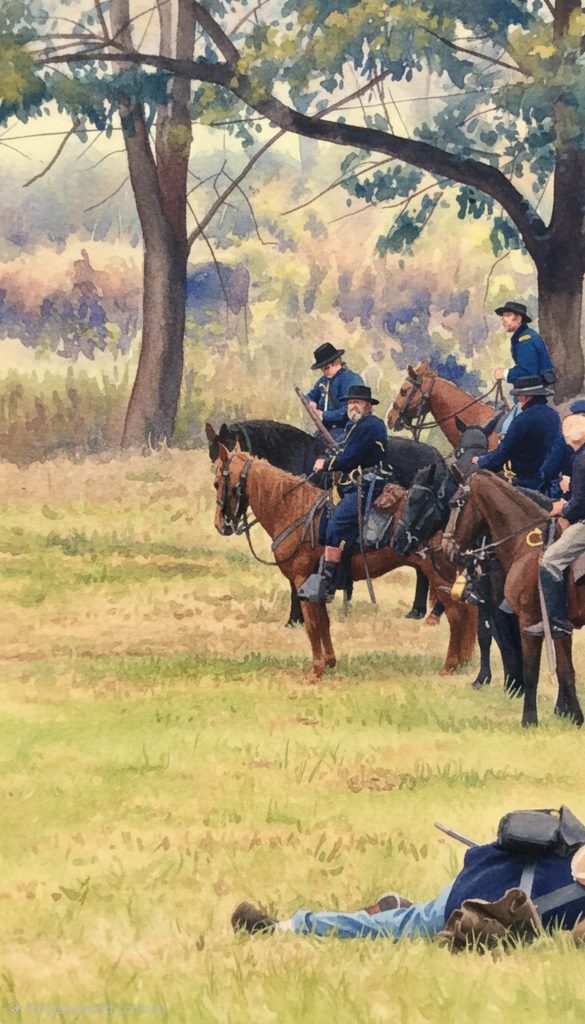
Brigadier General Albin F. Schoepf arrived with reinforcements the day before the battle, bringing the Union strength to roughly 7,000 men against Zollicoffer’s approximately 5,400, mostly Tennessee troops.
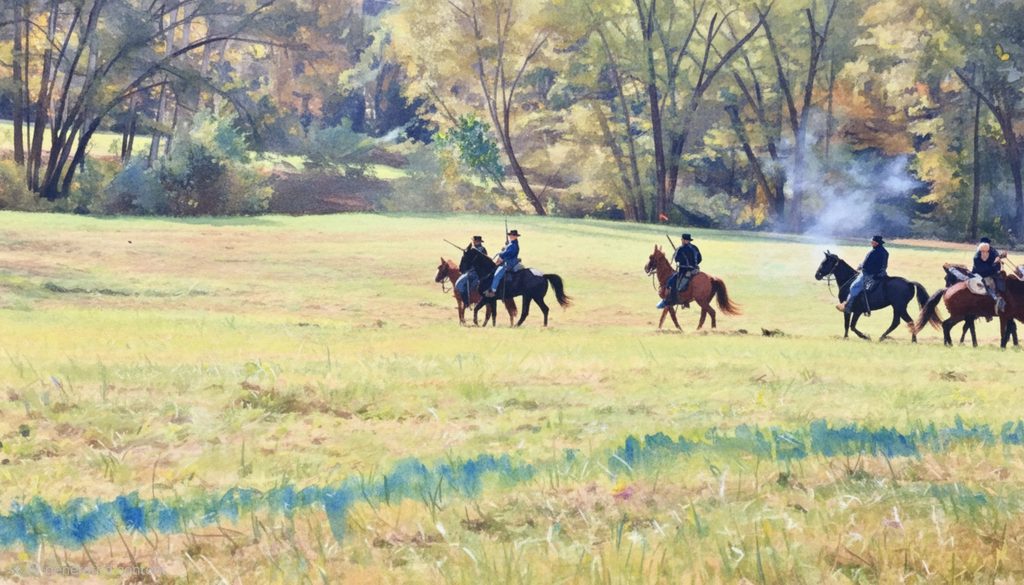
On the morning of the 21st the Confederates pushed up the steep slopes toward positions held by units such as companies of the 33rd Indiana on what became known as Hoosier Knob.
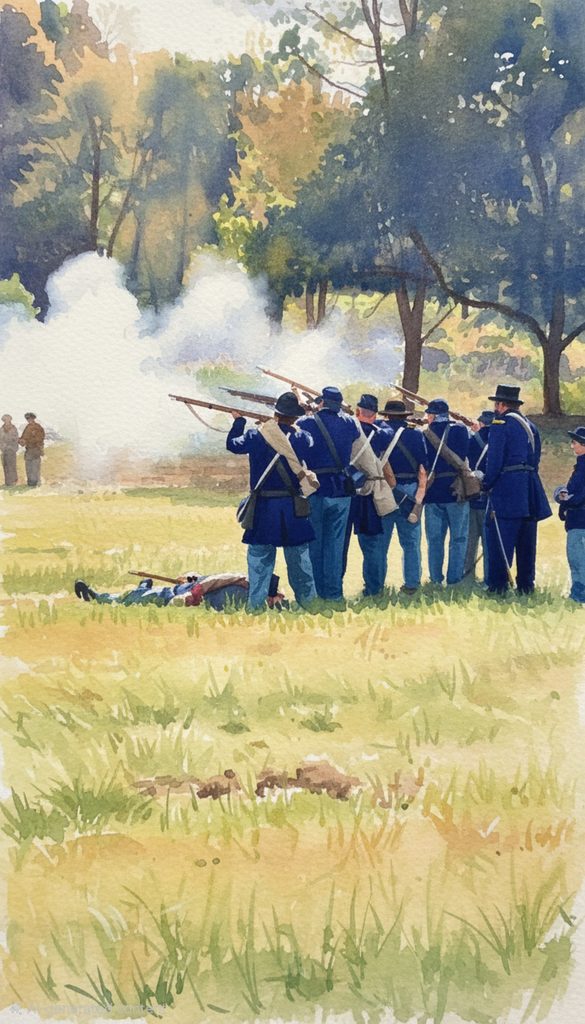
The ground itself favored the defenders. Multiple assaults were turned back. Casualties stayed relatively light for a fight involving that many men—roughly five Union killed and twenty wounded, and about eleven Confederate killed with forty or so wounded or missing.
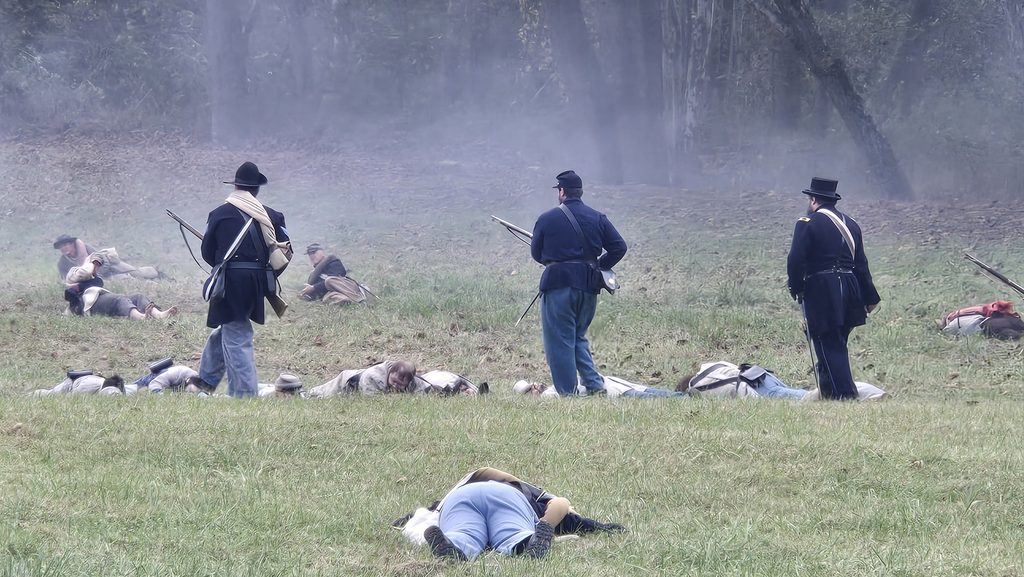
By nightfall Zollicoffer pulled back. The Confederates eventually withdrew toward Cumberland Gap. The engagement is remembered as one of the first clear Union successes in Kentucky.
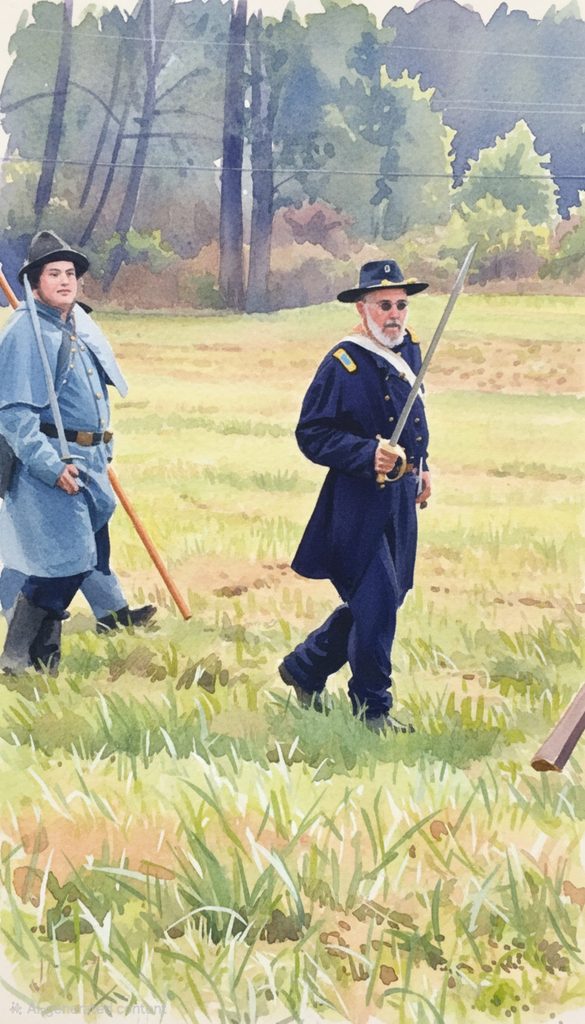
It helped steady Northern morale at a time when other news was less encouraging and kept the Wilderness Road closed to a deeper Confederate push.
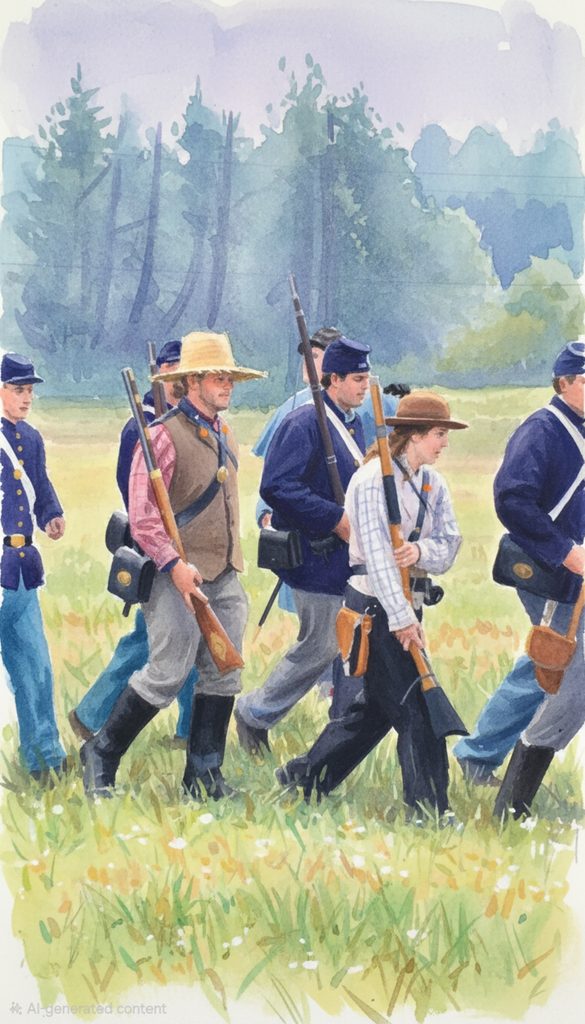
The reenactment is held each year on the third weekend of October by the Laurel Home Guards, a local nonprofit dedicated to teaching the 1860s history of Laurel County. They stage the action on ground connected to the original Confederate bivouac area.
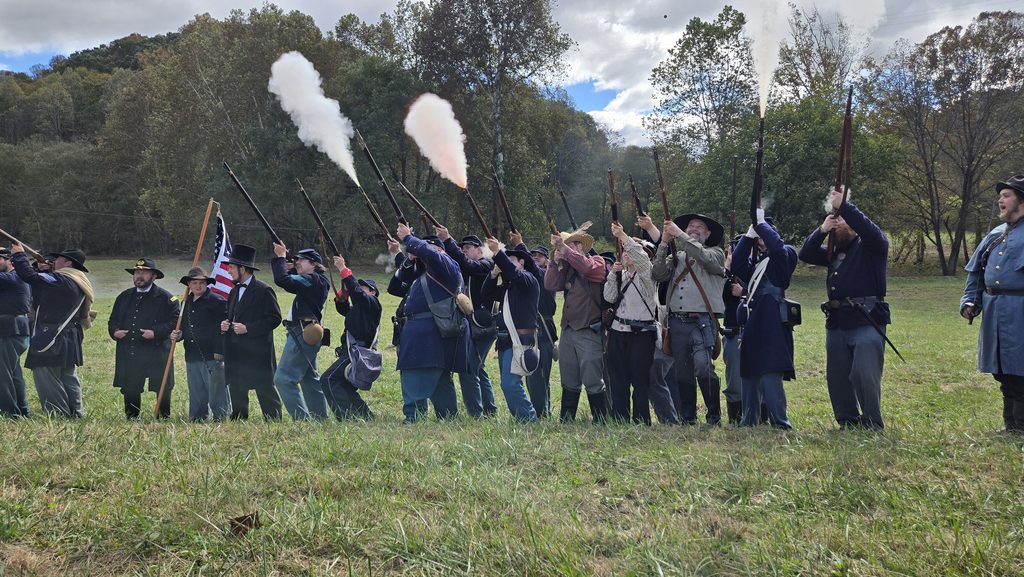
From where we stood, the terrain still makes the historical difficulty obvious—steep, broken ground that would have been hard to attack even without rifle fire and artillery coming down from above.
We watched the battle with the rest of the crowd. The smoke, the noise, and the movement across the field gave a sense of scale that photographs rarely capture.
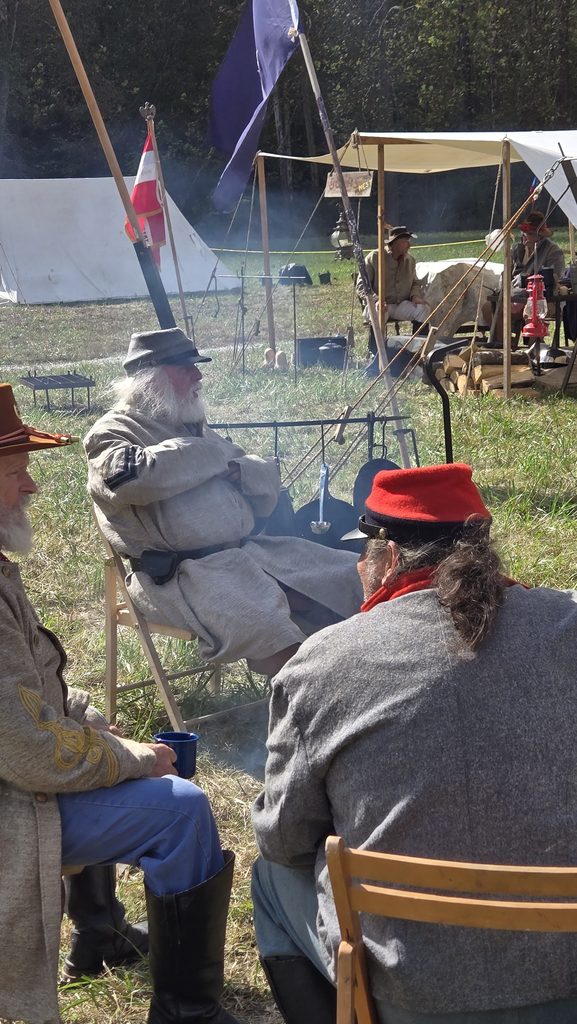
Afterward we walked back through the camps again. More conversations, more details about how long some of these units have been together, and the usual mix of serious history talk and the practical realities of putting an event like this on year after year.
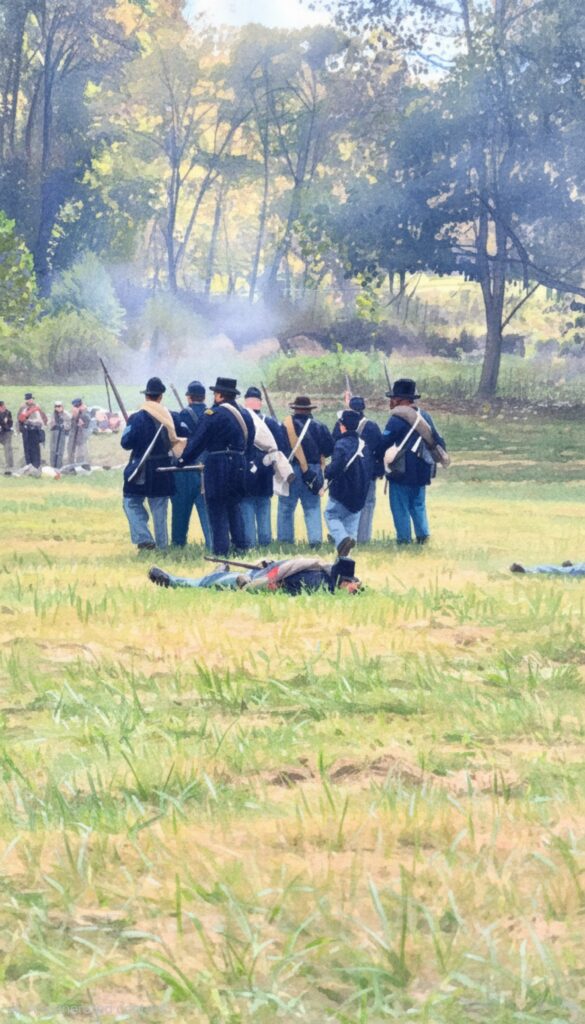
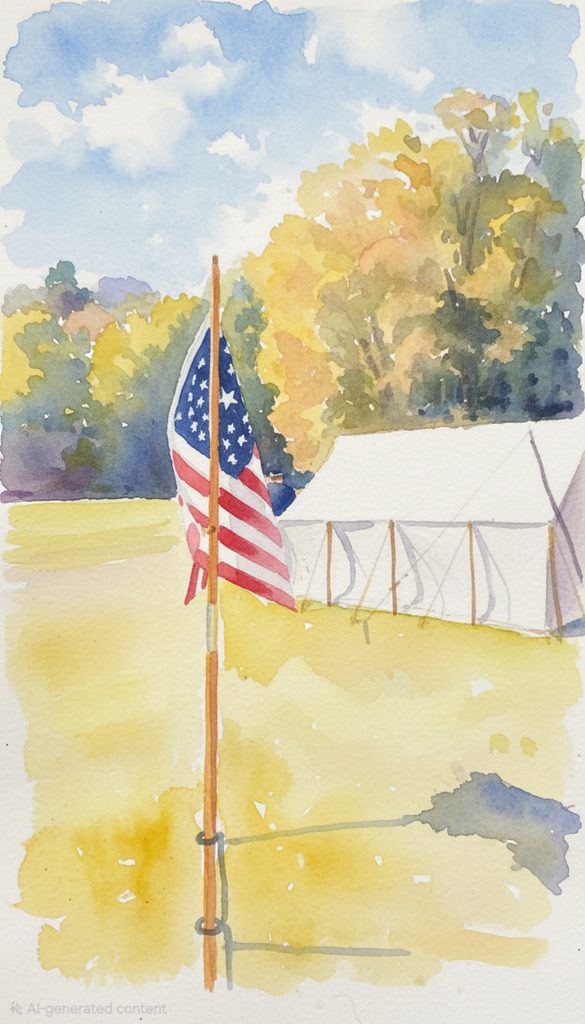
I took a lot of pictures. Most of them will appear here in a regenerated watercolor treatment. The style softens the modern edges just enough that the period clothing, the tents, and the faces sit more naturally in the era they are representing. It is not a substitute for being there, but it keeps the feeling of the day better than a straight color photo does for me.
We left London that afternoon and continued south toward Allatoona, Georgia. The stop fit the larger trip we’ve been on—moving through country that still carries the marks of the people who lived and fought here. The reenactors who have spent decades getting the details right, and the local group that keeps the event going on the actual ground, made the afternoon worth the detour. If you are anywhere near Laurel County in mid-October, the camps are open early and the people in them are usually willing to talk.