



This isn’t really something new, it’s just a tool. So far! Going to the edge with AI – Music Creation

This isn’t really something new, it’s just a tool. So far! Going to the edge with AI – Music Creation. My step 2 into a series on AI music creation. Turning your prayers and dreams into reality. (Part 1)
Space, the final frontier… to explore strange new worlds, to seek out new life and new civilizations, to boldly go where no one has gone before. Ah, yes, the immortal words from Star Trek, that epic saga of venturing into the unknown with phasers set to stun and a healthy dose of optimism. But here in the real world—or should I say, the digital cosmos—of 2025, we’re charting a different kind of frontier: the wild, uncharted territory of AI-generated music. As a grizzled artist who’s been wielding brushes, pens, and now pixels for the last six decades, I have to chuckle a bit. This isn’t my first rodeo with disruptive tech shaking up the creative universe. Remember when desktop publishing threatened to make graphic designers obsolete? Or when digital audio workstations turned bedroom producers into hitmakers? Spoiler: We’re all still here, creating away. But AI? It’s like we’ve beamed aboard the Enterprise, only to find the replicator spitting out symphonies instead of Earl Grey tea—hot, sure, but who owns the recipe?
Why do I care about this, you ask? I’m not entirely sure yet, except that diving deep into these issues feels like layering transparencies over familiar patterns from my life. As a graphic artist, I’ve navigated the choppy waters of intellectual property for years, from trademark tangles to copyright conundrums that could tie your genes in a knot (yes, I meant “jeans,” but let’s roll with the sci-fi vibe). This particular nebula involves AI-generated music, copyright protections, artist rights, and the big question: Who owns what in this brave new world? It’s a complicated beast—potentially a creative killer app or a total Debbie Downer, depending on how you warp-drive through it. I stumbled upon this issue eloquently unpacked in a YouTube video by Venus Theory that I believe every creator, AI-assisted or otherwise, should watch. It’s a masterclass in understanding what’s at stake for the essence of being an inventor, artist, or just a plain old dreamer.
Here’s the video for your viewing pleasure:
Venus Theory kicks it off with a zinger in his description: “Today we’re going to look at what may be the newest nightmare in this late-stage big tech hellscape we call the music industry. May the odds be ever in your favor.” Oof, right? The video dives into how AI tools are enabling a flood of generated music that’s clogging up platforms like YouTube’s Content ID system. Creators are uploading AI-spun tracks, claiming copyrights on them (even though AI-generated content often isn’t fully protectable under current laws), and then auto-flagging others’ videos for matches. It’s a mess where troll farms could theoretically churn out music mimicking human history’s entire catalog, leading to false claims and headaches for genuine artists. Venus highlights the flaws in distribution platforms that don’t enforce their own terms of service, allowing this chaos. But here’s the hopeful note in his closing: Don’t let this madness overwhelm your creativity. We all must keep moving forward, much like Captain Kirk once wisely said, “The greatest danger facing us is ourselves, and irrational fear of the unknown. There’s no such thing as the unknown—only things temporarily hidden, temporarily not understood.”
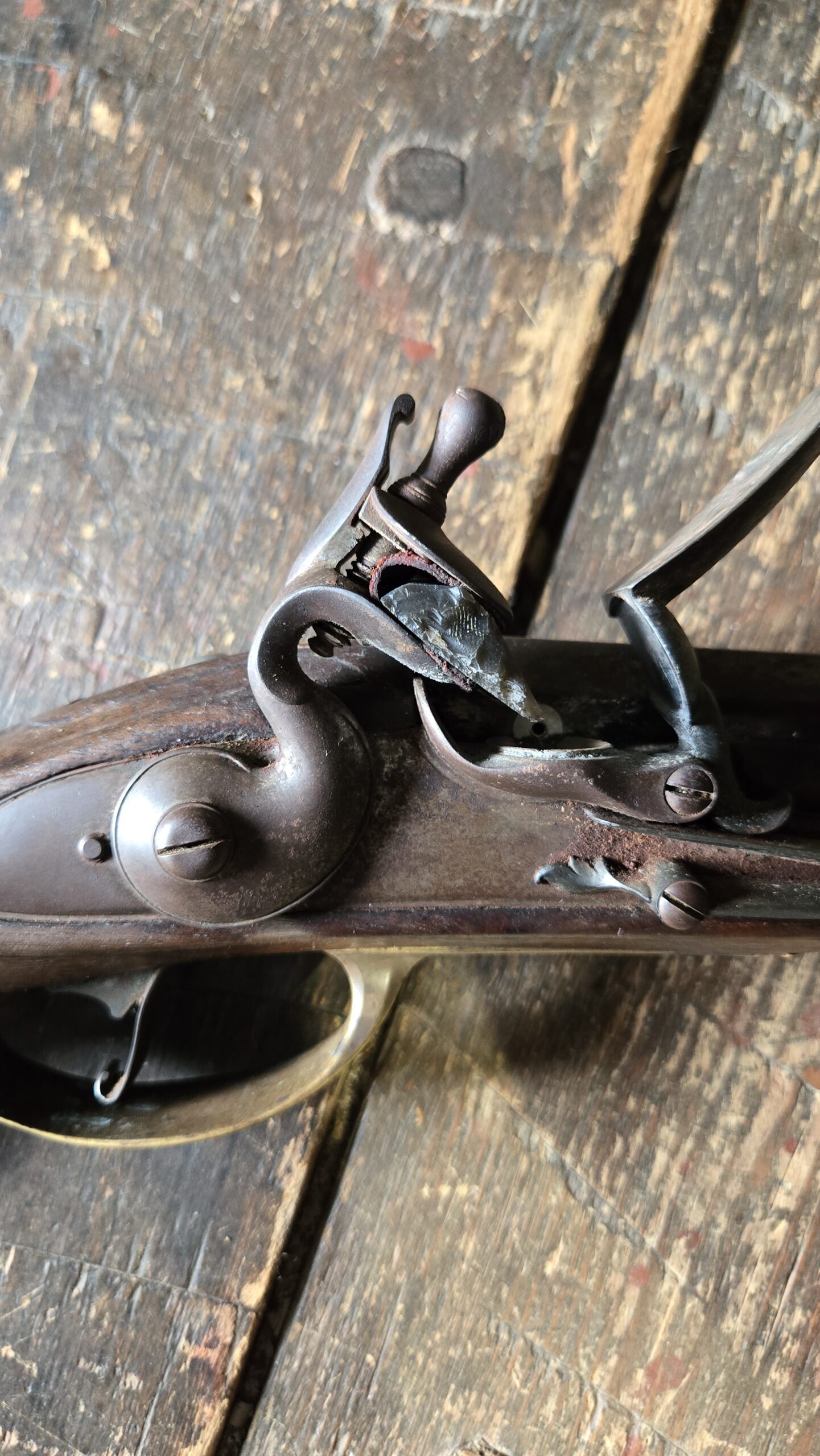
Drawing from my own battles in the graphic arts trenches, I’ve learned just enough about the U.S. Copyright and Trademark Office to make me dangerous—if I can borrow that old adage, “The pen is mightier than the sword.” Over the years, I’ve wrangled with rules that seem designed to protect innovation but often feel like bureaucratic black holes. Wow, that’s a can of worms. But let’s touch on it lightly with an example from the dawn of mass communication: the printing press. Imagine that first clumsy, hulking machine, with its massive mechanical spindles clamping down on letter dies, pressing ink into paper. It was a game-changer, birthing ideas that spread like warp-speed gossip.
To keep the story beaming along, a bit of backstory: The printing press as we know it was invented around 1440 by Johannes Gutenberg in Germany, building on earlier Chinese movable-type innovations from the 11th century. Gutenberg’s movable-type system sparked the Printing Revolution, enabling mass production of books and ideas that fueled the Renaissance and beyond. It evolved rapidly—from wooden frames to iron presses in the early 1800s, then steam-powered behemoths, offset lithography, and today’s digital marvels. Copyright law emerged in response, with the British Statute of Anne in 1710 as the world’s first, shifting from printer monopolies to protecting authors for a limited time. In the U.S., the first copyright act came in 1790, evolving to cover music, photos, and software. Patents, meanwhile, trace back to the Venetian Statute of 1474, granting exclusive rights to inventors—think early mills and machines. The U.S. patent system kicked off in 1790 too, protecting “new and useful” inventions. These systems have morphed through centuries of tweaks, court battles, and tech advances, all to balance innovation with public access. From Gutenberg’s press to AI algorithms, it’s the same journey: little changes in parts, mechanisms, engineering, designs, and protections stacking up to create what we see, hear, and share today. That’s the essence of our creative odyssey.
I don’t want to scare creators here—just inform you. Remember, there’s a whole legal industry out there ready to assist in your endeavors. If you strike gold with a groundbreaking piece, whether it’s a melody, design, or invention, intellectual property lawyers, patent attorneys, and copyright specialists can help navigate filings, defenses, and disputes. They’re like the Starfleet legal team: not always glamorous, but essential for protecting your warp core from Klingon raids. Just in case you hit that viral hit or revolutionary riff, know that resources like the U.S. Copyright Office, pro bono clinics, or affordable services from groups like Volunteer Lawyers for the Arts are available to ensure your work gets the shield it deserves without breaking the bank.
Speaking to the music industry as a whole (and really, all creators dipping toes into AI), let’s approach this new technology not with fear, but as a powerful tool in our arsenal. AI can be a collaborator, sparking ideas or handling grunt work so you can focus on the soul of your art. Use your own ethics as a guide: If your intent is outright theft—ripping off others’ work without transformation—you’ll likely get caught in the Content ID crossfire or legal nets. But if you’re forging something new and refreshing, blending AI with your unique human touch? Boldly go forward in your creation. The future of music isn’t about machines overtaking us; it’s about harmonizing with them to push boundaries.
During the final captain’s log in Star Trek VI: The Undiscovered Country, Kirk commits the ship and its future to the next generation, sending them to journey “to all the undiscovered countries, boldly going where no one has gone before.”