




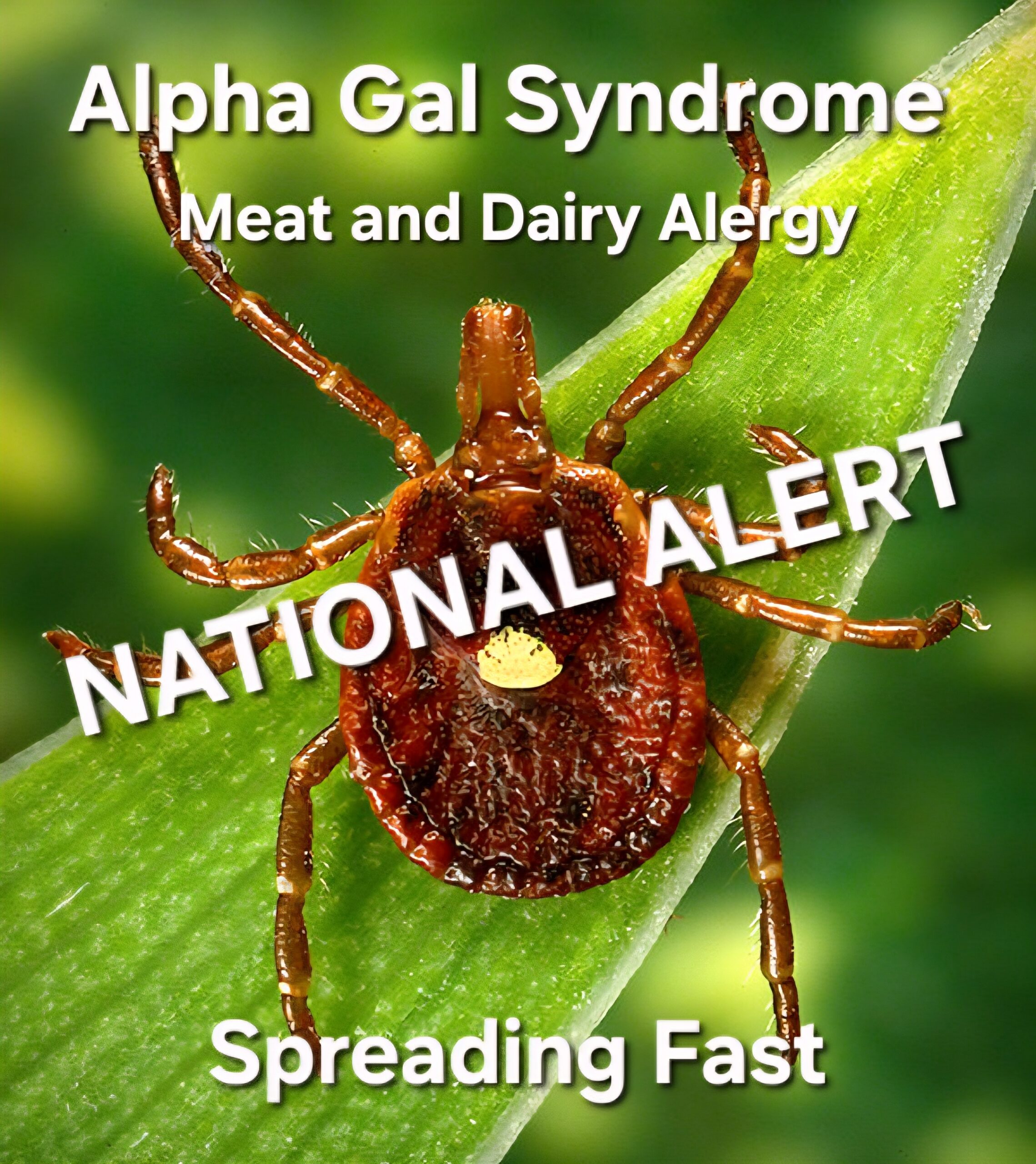
Flash News: Farmer and Heartland Tour Traveler Scott Prentice Diagnosed with Alpha-Gal Syndrome After Tick Bite at Alexander Springs State Park, Florida – “It’s Spreading Faster Than the News Reports”
Flash News: Farmer and Heartland Tour Traveler Scott Prentice Diagnosed with Alpha-Gal Syndrome After Tick Bite at Alexander Springs State Park, Florida – “It’s Spreading Faster Than the News Reports”

By Scott Prentice
ScottPrentice.com – May 14, 2026
Alexander Springs, FL – Just days ago, a routine tick bite at the popular Alexander Springs State Park in Florida turned Scott Prentice’s life upside down. The longtime farmer and traveler, currently on his Great American Heartland Tour, is now living with the sudden onset of Alpha-Gal Syndrome (AGS) — a serious, potentially life-altering allergy to red meat and dairy products triggered by the bite of a lone star tick.
“I’ve had hundreds of tick bites in my life as a farmer,” Prentice shared. “But this one changed everything overnight. No more steak, bacon, cream in my coffee, ice cream, cheese, or sandwich meat. It’s traumatic, especially when your livelihood revolves around the land and real food.”
Alpha-Gal Syndrome is caused when certain ticks inject the sugar molecule alpha-gal into the bloodstream, prompting the immune system to produce antibodies. Subsequent consumption of mammalian meat (beef, pork, lamb) or dairy can trigger delayed allergic reactions ranging from hives and stomach distress to severe anaphylaxis. Symptoms often appear hours after eating, making diagnosis tricky.
Underreported and Spreading Rapidly
Public health data shows Alpha-Gal cases are surging across the United States, particularly in areas with expanding lone star tick populations.
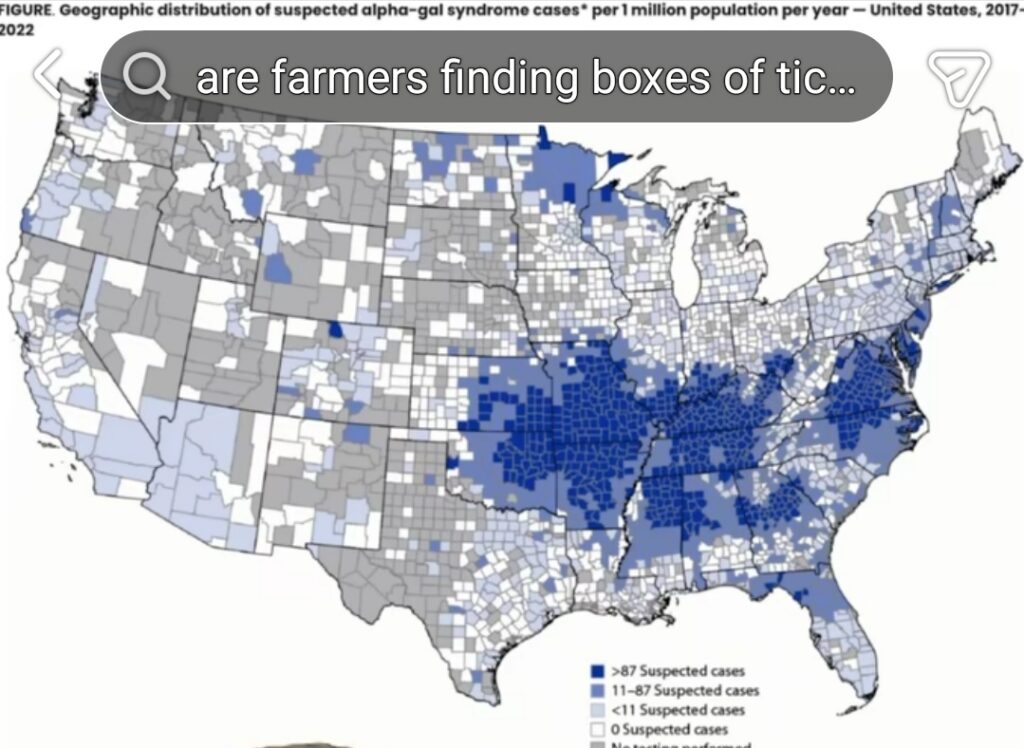
The CDC estimates up to 450,000 Americans (2024 Estimates) may now be affected, though the condition remains underreported because it is not nationally notifiable. Recent studies document dramatic increases — including a 100-fold rise in positive antibody tests in some regions — as ticks move north and west with changing climate and wildlife patterns.
Florida’s warm climate and wooded areas make it prime habitat for lone star ticks, which are active year-round in the state. North Central Florida, including the Ocala National Forest region around Alexander Springs, is especially conducive to tick activity.
Prentice noted: “The news isn’t keeping up with how fast this is spreading. I’m not waiting for lab confirmation — the symptoms are unmistakable and life-changing. Until I get tested, I’m using my platform to sound the alarm. I’m hearing through my contacts and circle that, yes this is growing faster than government, news and heath agencies can monitor. This is NOT a conspiracy!
On the Road: Raising Awareness During the Great American Heartland Tour
As part of his Great American Heartland Tour 2026, Prentice is traveling the country in his RV with partner Andrea West, connecting with farmers, communities, and everyday Americans. He has committed to sharing his story at every stop.
“I’m talking to everyone I meet and posting as much as I can,” he said. “If this can happen to a guy who’s been bitten hundreds of times, it can happen to anyone enjoying the outdoors — campers, hikers, families at state parks.”
Advice for the public:
- Perform thorough tick checks after outdoor activities.
- Wear protective clothing and use repellents in tick-heavy areas.
- Be aware of delayed allergic symptoms after known bites.
Prentice’s story underscores the growing public health challenge posed by expanding tick ranges and the need for greater awareness. ScottPrentice.com will continue updating readers on his journey, his health, and real-talk from the Heartland.
Stay informed. Check yourself. Spread the word.
Scott Prentice is a farmer, photographer, and independent voice documenting American agriculture and rural life. Follow his Heartland Tour updates at ScottPrentice.com.
You can also contact Scott personally anytime at scottlprentice@protonmail.com