






The Original – Lord’s Prayer

Note: There are 5 videos on this page you must watch; Stacy’s, 4th Musketeer’s and Tucker’s at bottom. Just added: Yoel and Mari and Rubio’s too.
I love sharing things that God shares with me. I pray I am a conduit of His breath, word and the very essence of his vibration or frequency of what he shares with me. So, I pray this message touches you the way it’s touching and changing me. May Our Lord touch you in the same Holy way as he has touched me. Amen.
Interjection 9/23/25 – I just have to say I keep getting huge confirmations related to understanding of frequency/noice and how it’s related to the human heart and water. I can almost get a clear picture. What it means I’m not sure. But in clarity God showed me this:

It is not to be looked at like this:

We will be able to hear him better when we don’t listen to the noice.
Im not quite sure of the full meaning yet, but he keeps showing me through other people what he’s explaining…
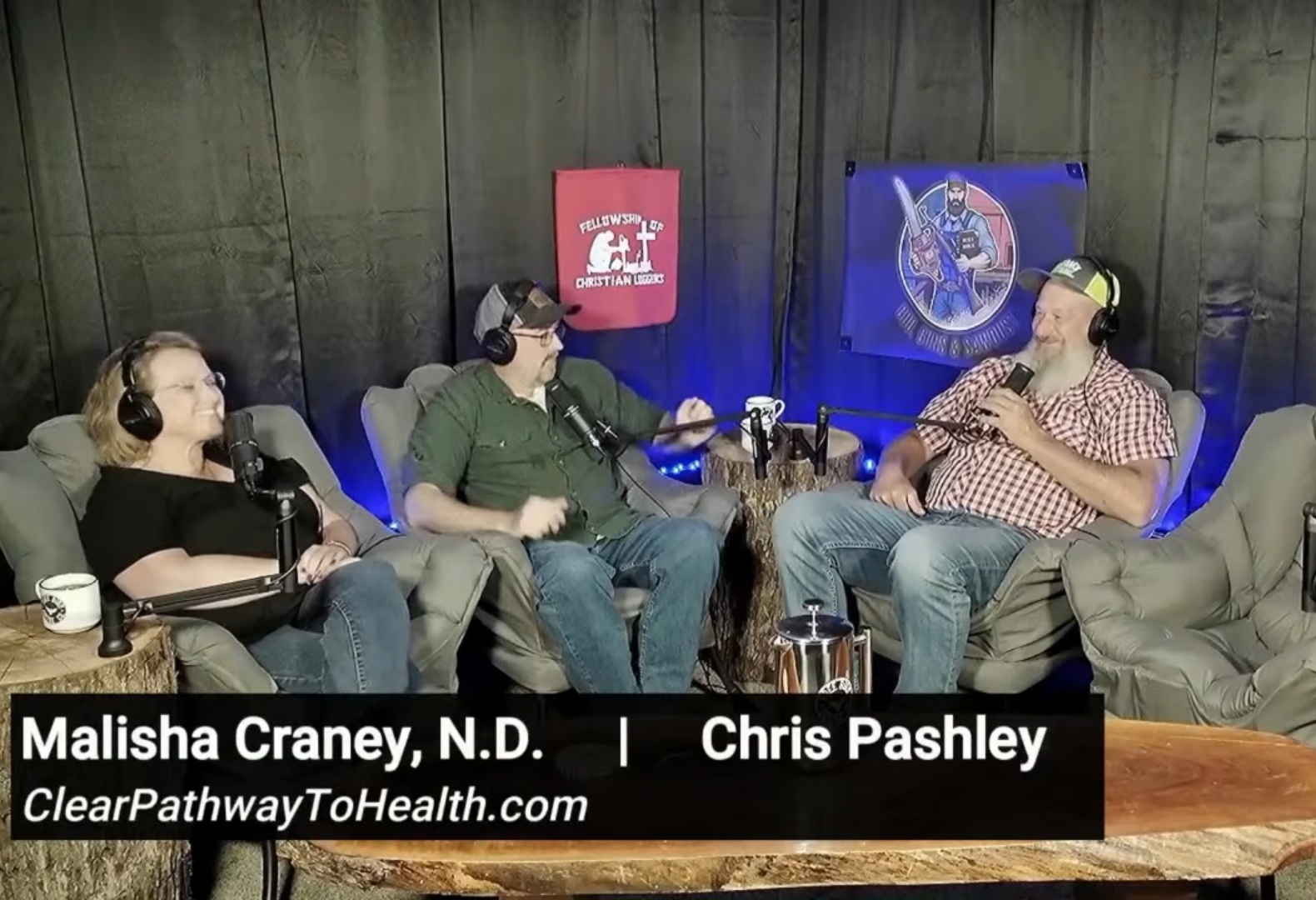
Listen to how Stacy explains it; I think she is spot on..
The Lord’s Prayer in Aramaic, as it might have been spoken by Jesus, is challenging to pinpoint precisely because the exact wording from that time isn’t fully preserved. However, scholars reconstruct it based on early Christian traditions, Aramaic linguistics, and translations like the Peshitta (a Syriac Bible). The prayer is traditionally linked to Matthew 6:9–13 and Luke 11:2–4 in the New Testament, with Aramaic being the common language of Jesus and his disciples.
Here’s a widely accepted transliteration of the Lord’s Prayer in Aramaic, based on reconstructions and the Peshitta:
Abwoon d’bwashmaya
Nethqadash shmakh
Teytey malkuthakh
Nehwey tzevyanach aykanna d’bwashmaya aph b’arha
Hawvlan lachma d’sunqanan yaomana
Washboqlan khaubayn (wakhtahayn) aykana daph khnan shbwoqan l’khayyabayn
Wela tahlan l’nesyuna
Ela patzan min bisha
Metol dilakhie malkutha wahayla wateshbukhta l’ahlam almin
Ameyn
Translation (approximate, preserving Aramaic nuance):
- Abwoon d’bwashmaya: Our Father in heaven
- Nethqadash shmakh: Hallowed be your name
- Teytey malkuthakh: Your kingdom come
- Nehwey tzevyanach aykanna d’bwashmaya aph b’arha: Your will be done, as in heaven, so on earth
- Hawvlan lachma d’sunqanan yaomana: Give us the bread we need today
- Washboqlan khaubayn (wakhtahayn) aykana daph khnan shbwoqan l’khayyabayn: Forgive us our debts/sins, as we forgive those indebted to us
- Wela tahlan l’nesyuna: Lead us not into temptation
- Ela patzan min bisha: But deliver us from evil
- Metol dilakhie malkutha wahayla wateshbukhta l’ahlam almin: For yours is the kingdom, power, and glory forever
- Ameyn: Amen
Notes:
- Aramaic is a Semitic language with a poetic, layered quality. Words like “Abwoon” (Father) carry a sense of intimacy and cosmic connection, unlike the more formal Greek or English translations.
- The phrase “lachma d’sunqanan” (daily bread) can also imply spiritual sustenance, not just physical bread.
- The doxology (“For yours is the kingdom…”) may not have been in the earliest versions but appears in later liturgical traditions.
Since exact records of Jesus’ words don’t exist, this is a scholarly reconstruction.
Update: 9/28/2025 – Today we buried Charlie, but his spirit lives on. Tucker Carlson’s eulogy sums him up perfectly. Drawing from The Lord’s Prayer and the frequency I mentioned above yesterday, Tucker nailed the man and his mission.