







Remembering the Rapid City flood of 1972
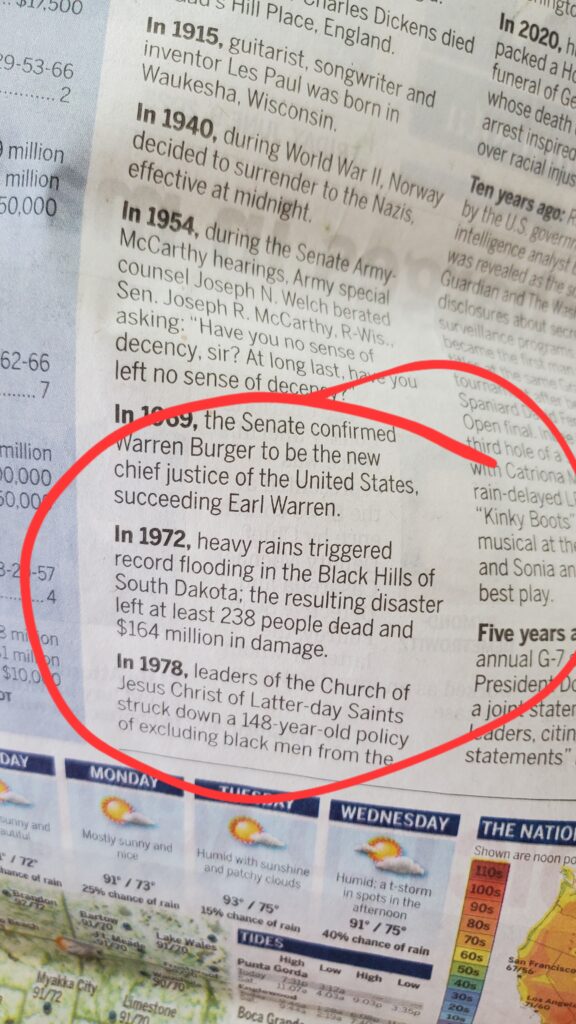
6/9/2023 – I’m sitting in a clinic here in Florida and open up our Daily Sun paper and reminded of the worst day in Rapid City, South Dakota History. The Rapid City flood destroyed a major part of this beautiful community and killed 238 people and destroyed many businesses and people’s livelihood.
I’m reminded how blessed my life has been. My father had just moved our family out of Rapid City and moved to Carlos, Minnesota onto a small farm. I still remember of listening to the reports over the shortwave band radio that day. Our little trailer court that we had just moved from was completely wiped off the planet.
Thank you Lord for providing my family and I your hedge of protection. amen
The Night the Waters Came: Remembering the Rapid City Flood of 1972
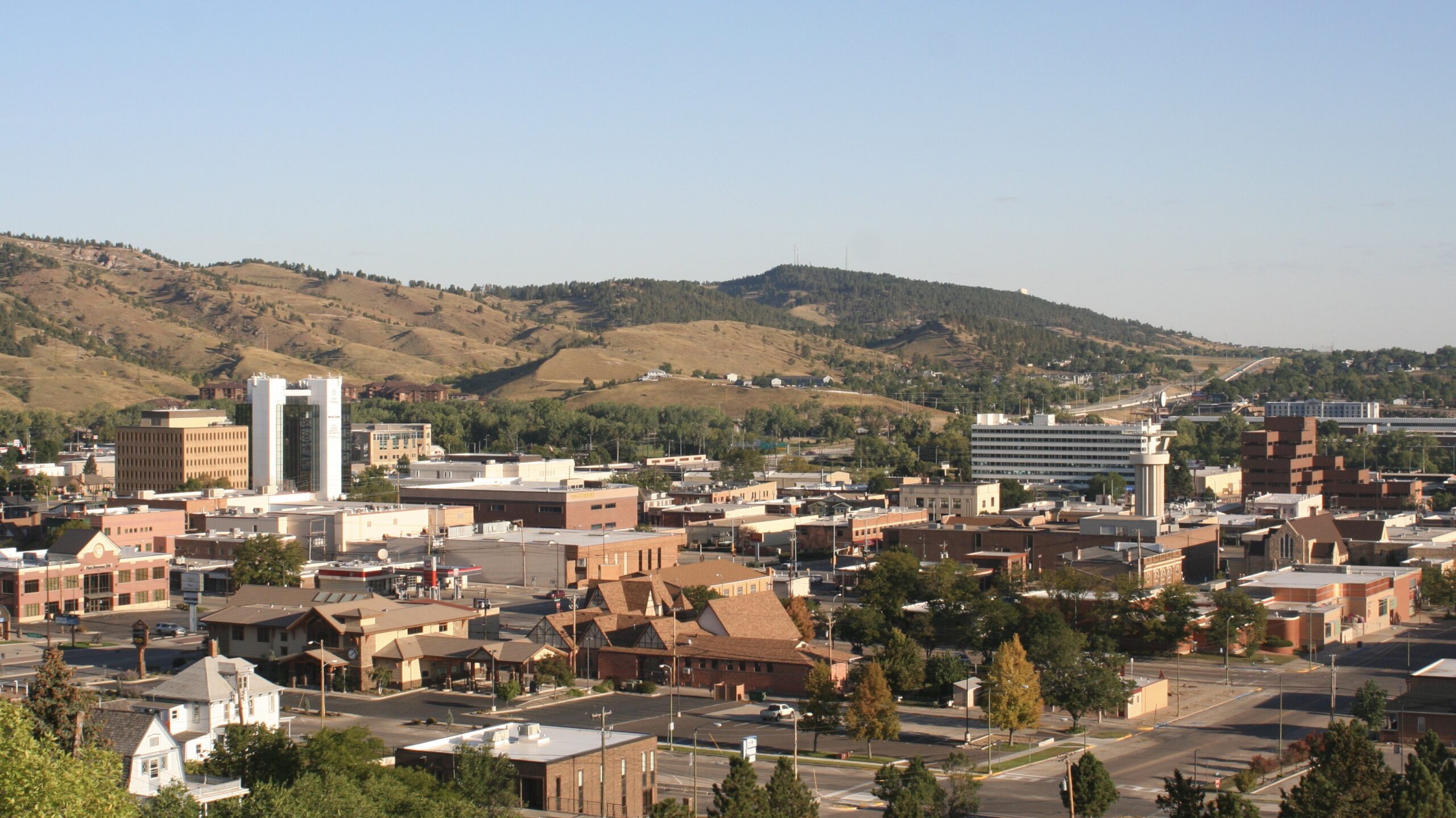
On June 9, 1972, Rapid City, South Dakota, was a bustling hub nestled in the shadow of the Black Hills, alive with the warmth of a summer evening. Families gathered for dinner, kids played in yards, and the hum of daily life filled the air. By midnight, the city would be forever changed. A catastrophic flood, born from a freak thunderstorm, would claim 238 lives, injure over 3,000, and leave an indelible mark on the community. This is the story of the Black Hills Flood of 1972—a tragedy of nature’s fury and a testament to human resilience.
A Storm Like No Other
The disaster began with a meteorological anomaly. A slow-moving thunderstorm stalled over the Black Hills, fueled by a collision of warm, moist air and the region’s rugged terrain. In just six hours, 10 to 15 inches of rain—nearly a year’s worth for the arid region—poured down. The National Weather Service later described it as a “training” storm, where thunderstorms repeatedly formed over the same area, dumping relentless rain. In 1972, forecasting technology was limited, and warnings were sparse. Few could have predicted the chaos to come.
Rapid Creek, a modest stream winding through the city, became a monster. Water levels surged up to 12 feet, carrying mud, trees, and debris. The Canyon Lake Dam, overwhelmed by the deluge, partially failed, sending a wall of water crashing through neighborhoods. Homes along the creek were swept away like paper, cars floated like toys, and entire streets vanished under a churning, chocolate-brown torrent.
Heroes in the Dark
Amid the chaos, stories of courage emerged. John Prentice, a Rapid City police officer, was among the first responders who braved the floodwaters to save lives. On that fateful night, Prentice waded into the rising tide to rescue stranded residents, only to be swept away himself. His sacrifice, one of many, became a symbol of the selflessness that defined the community’s response. Firefighters, police, and ordinary citizens worked tirelessly, using ropes, boats, and even bare hands to pull people from the flood’s grasp.
At KOTA radio, broadcasters stayed on air despite the rising waters, relaying warnings and coordinating rescues. One DJ reportedly climbed to a rooftop to keep broadcasting, his voice a lifeline for a city plunged into darkness. Survivors later recalled the eerie contrast of the storm: lightning illuminating the sky, thunder drowning out screams, and the cold sting of floodwater against the warm June air.
A City Underwater
The flood’s toll was staggering. It destroyed 1,335 homes, damaged 5,000 vehicles, and caused $160 million in damages (over $1 billion in 2025 dollars). Neighborhoods along Rapid Creek, including areas home to Native American families, were hit hardest, with cultural artifacts and livelihoods washed away. The Meadowbrook Golf Course and Sioux Park became lakes of mud and debris. Wildlife perished, and the Black Hills’ ecosystem was scarred for years.
Survivors’ stories paint a haunting picture. One woman, clinging to a tree for hours, described hearing cries for help fade into silence. A child, orphaned by the flood, recalled the surreal sight of a piano floating down the street. The Rapid City Public Library’s oral histories preserve these accounts, capturing the trauma and resilience of those who lived through the night.
Rising from the Ruins
Rapid City’s recovery was a testament to its spirit. The city transformed tragedy into opportunity, creating a “greenway” along Rapid Creek to prevent future flooding. Homes in floodplains were relocated, and parks were built as natural buffers. The rebuilt Canyon Lake Dam incorporated modern engineering, a safeguard against history repeating itself. Federal aid and community determination fueled the rebuilding, though psychological scars lingered—many survivors flinched at the sound of rain for decades.
Today, Rapid City honors the flood’s legacy. The Journey Museum features a permanent exhibit with photos, artifacts, and a mangled car pulled from the debris. A memorial at Canyon Lake Park stands as a quiet tribute to the 238 lives lost. Annual ceremonies bring together survivors, descendants, and newcomers to reflect on the past and celebrate the city’s rebirth.
A Lasting Lesson
The Rapid City Flood was more than a natural disaster—it was a wake-up call. It spurred advancements in weather forecasting, with the National Weather Service adopting better radar systems. South Dakota tightened building codes in flood-prone areas, and communities nationwide took note. Yet, as climate change fuels more extreme weather, the flood remains a sobering reminder of nature’s power and the need for preparedness.
For those who lived through it, the flood is a story of loss and survival, of ordinary people rising to extraordinary challenges. As one survivor put it, “The water took everything, but it couldn’t take our heart.” Rapid City rebuilt not just its streets but its soul, proving that even in the face of unimaginable tragedy, hope endures.