






The Life and Diaries of a Young Union Soldier
In the autumn of 1861, farm boys and clerks across northern Illinois answered a call that would define their generation. President Abraham Lincoln, after the fall of Fort Sumter, had asked the loyal states for volunteers to preserve the Union. Illinois responded with overwhelming force. Young men like John Newton Prentice—born May 8, 1842, and just nineteen when he enlisted on October 31, 1861, in Company A of the 57th Illinois Volunteer Infantry at Mendota—left the fields and workshops for Camp Douglas in Chicago. They mustered in on December 26, 1861, armed with converted Harper’s Ferry muskets, and soon headed south under the Army of the Tennessee.
These were not professional soldiers. They were the youth of the day: sons of farmers, many raised in Christian households that read the Bible and respected the moral weight of Lincoln’s leadership. Lincoln himself framed the struggle in terms of Providence and the sacred duty to keep the nation “conceived in Liberty.” For young men of faith, volunteering was an act of obedience—to country, to conscience, and to the higher call to defend ordered liberty against secession. Peer pressure, local honor, and the simple desire not to be left behind when neighbors marched also played their part. The 57th, drawn from Mendota, Chicago, Bureau County, and surrounding communities, embodied that spirit. Disease would claim more of them than bullets (the regiment lost 68 men to battle or wounds and 112 to disease), yet they stayed.
Survival meant years of mud, hunger, forced marches, and sudden violence. The 57th was present at Fort Donelson, bloodied at Shiloh (nearly 190 casualties on the first day alone), tested again at Corinth, and then thrown into the long Atlanta Campaign—Resaca, Kennesaw Mountain, the siege, and the hard fight at Allatoona where Company A took heavy losses. They marched with Sherman to the sea, through the Carolinas, and stood in the Grand Review in Washington in May 1865. John Newton Prentice re-enlisted as a veteran in 1864, returned home briefly on furlough, and rejoined for the final campaigns. Through it all he kept a daily diary—simple, faithful entries that recorded weather, mail, comrades lost, and quiet trust in God.
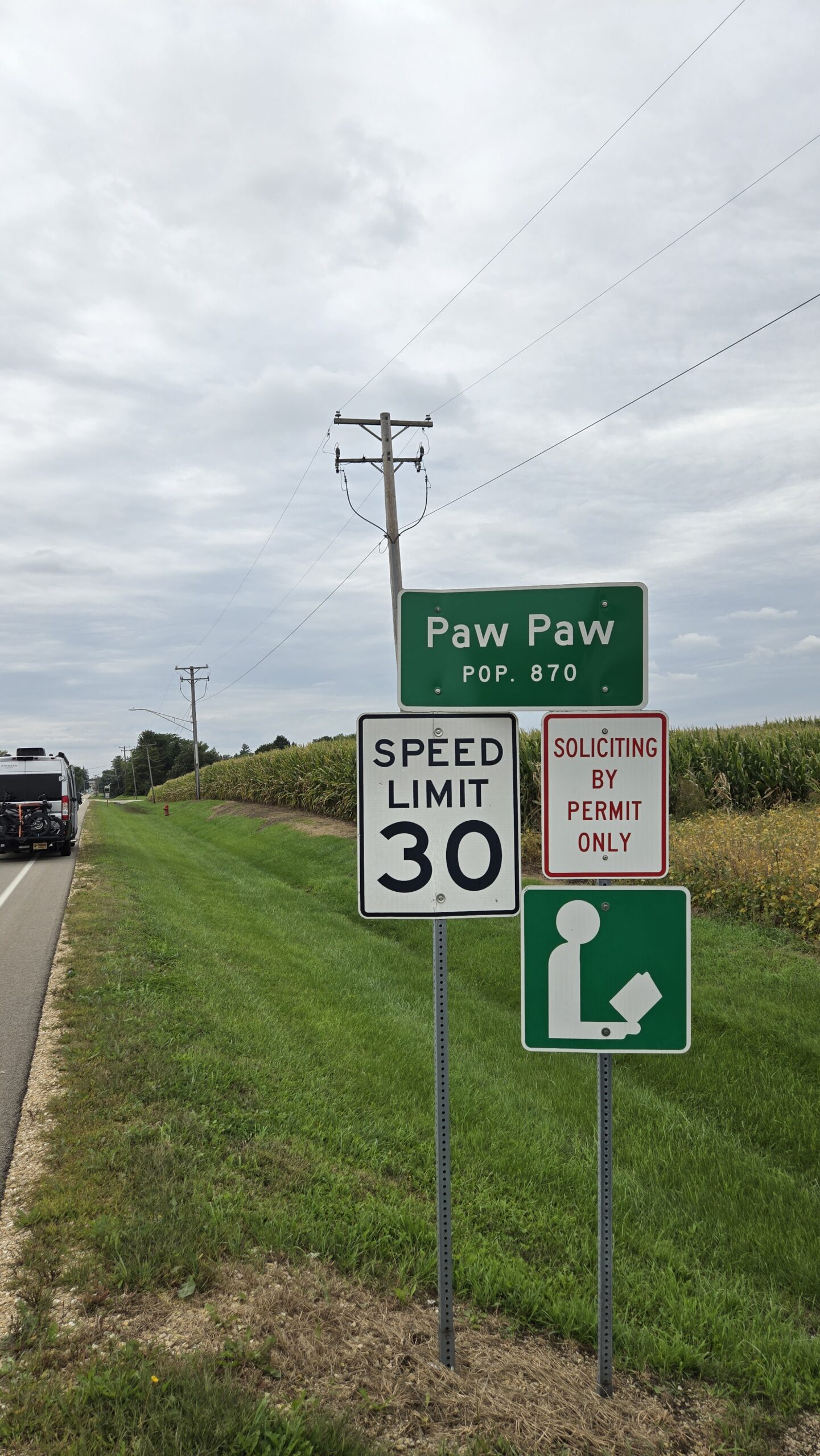
To endure was itself a form of sacrifice. These young men gave up the ordinary course of life—courting, farming, building families—for the uncertain chance of preserving a republic. Many never came back. Those who did returned transformed. On July 13, 1865, the 57th was mustered out at Louisville and sent back to Chicago. The next day Prentice reached home in Paw Paw: “I take the 1½ P.M. train and arrive at home at 9 P.M. Find the folks all well. A joyful meeting to us all… Thus I am transformed to a citizen again after nearly four years of a Soldier’s life.”
They had answered Lincoln’s call when the Union hung in the balance. Their Christian sense of duty, their willingness to stand in the ranks under Grant and Sherman, and their simple perseverance helped decide that the nation would remain one. The cost was measured in empty chairs and unmarked graves across the Western Theater. The reward was the chance to go home, raise families, and leave a republic still standing.
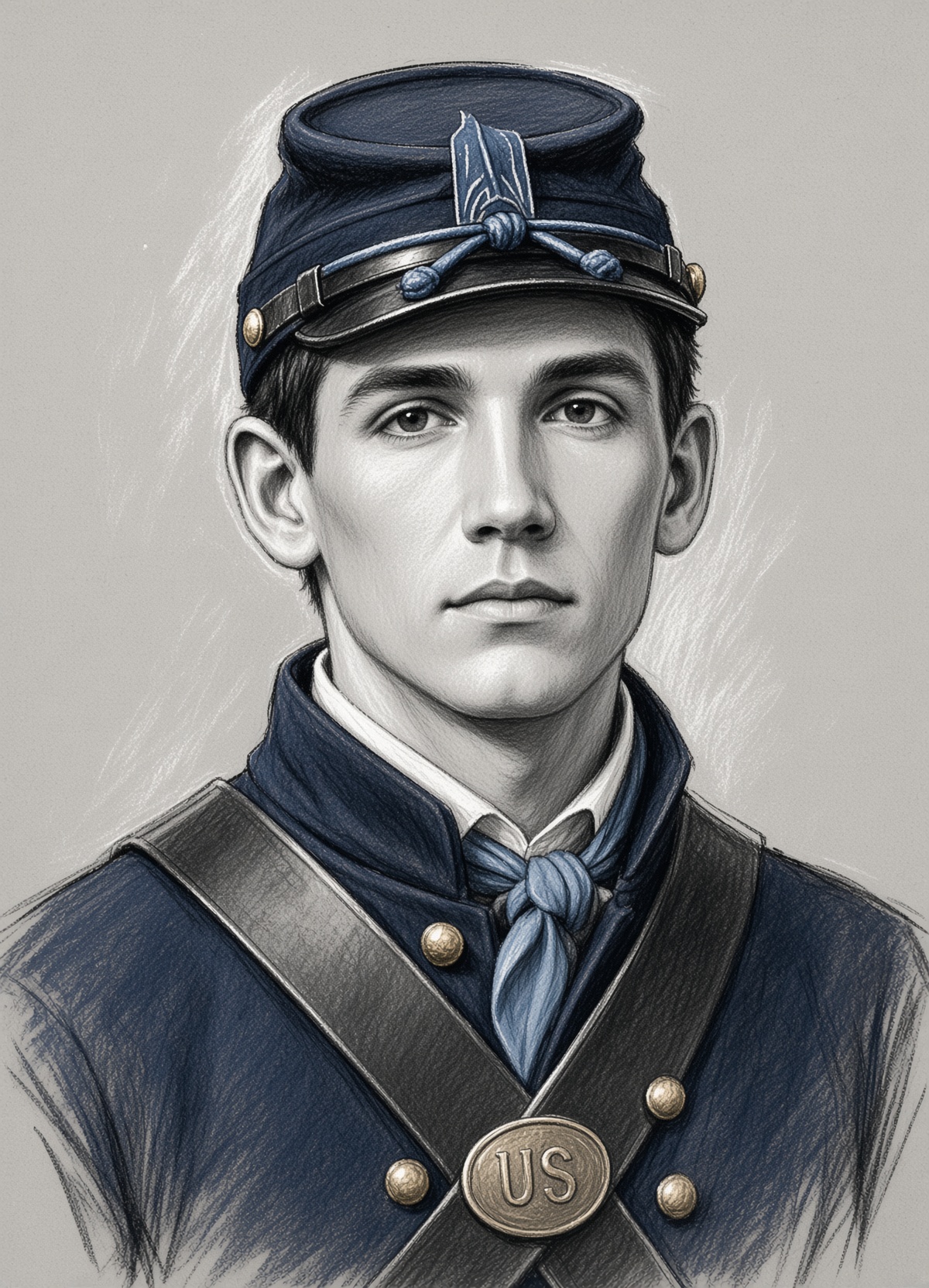
Portrait of a Young Union Volunteer (top photo)
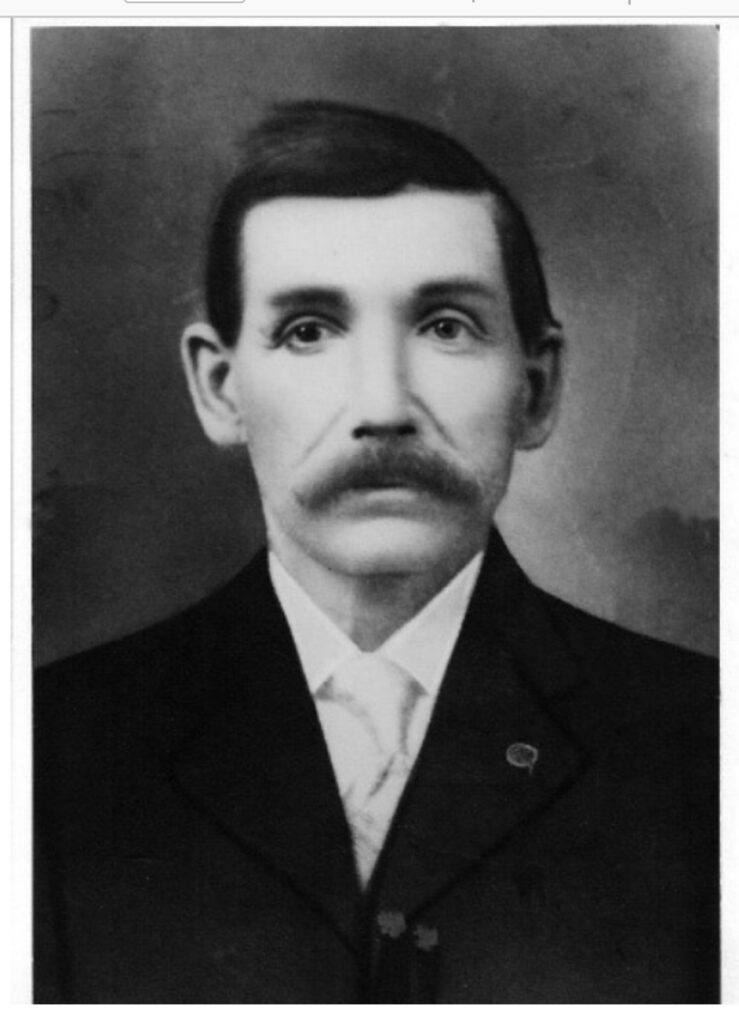
AI-generated by Grok Imagine as a regression sketch of John Newton Prentice (Above) in his early 20s, based on his adult photograph.
John Newton served in Company A, 57th Illinois Volunteer Infantry as a Private and was promoted to Sergeant.