




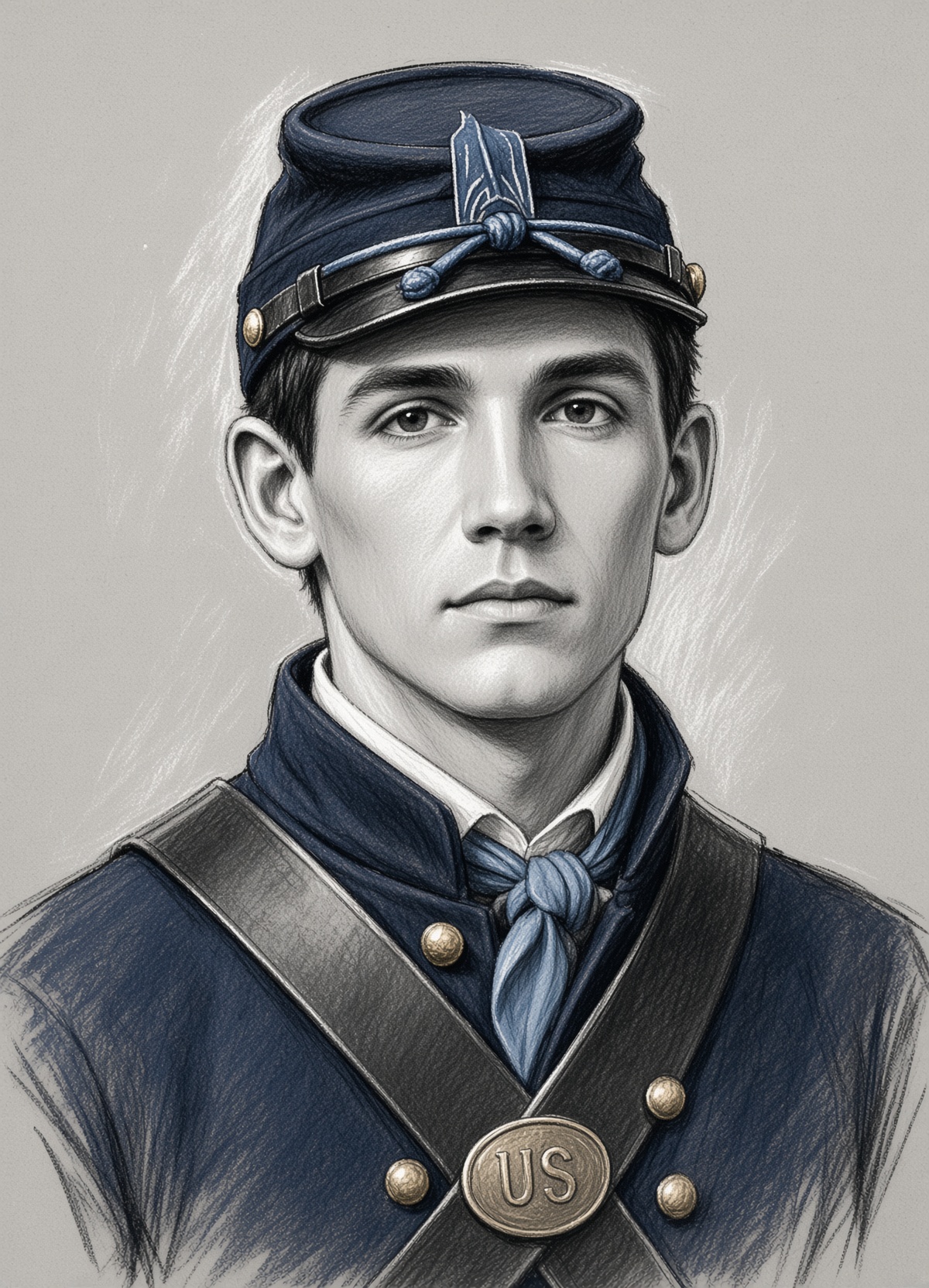
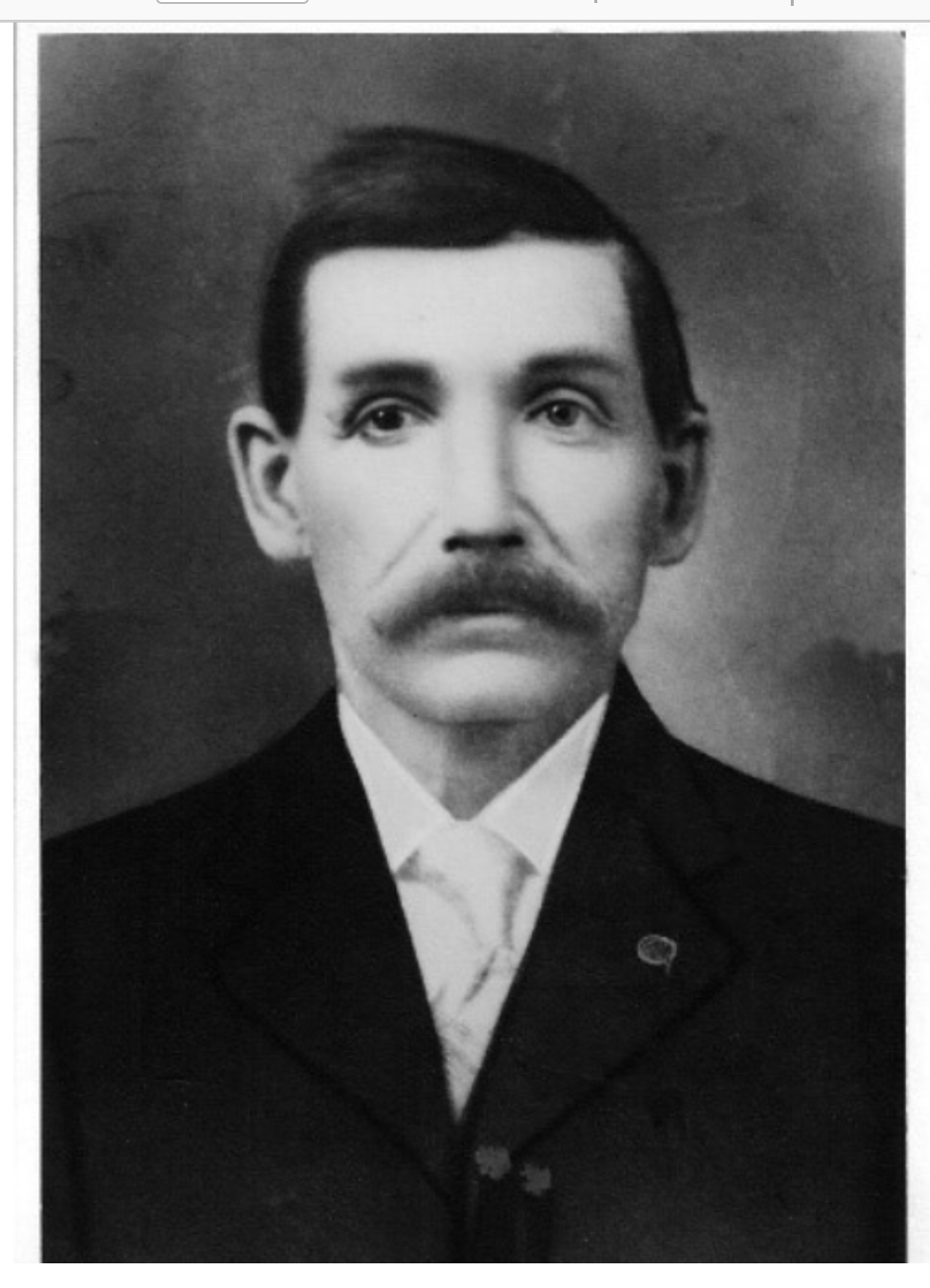
The Civil War Diaries of John Newton Prentice: A Union Soldier’s Daily Record from Fort Donelson to Sherman’s March to the Sea

Personal Introduction from Scott Prentice (Great-Grandson of John Newton Prentice)
My name is Scott L. Prentice, and I am the great-grandson of John Newton Prentice, a Union soldier who served in Company A of the 57th Illinois Volunteer Infantry from 1861 to 1865.
Like so many in our family, military service runs deep in our blood. My great-grandfather answered President Lincoln’s call and marched through some of the hardest fighting in the Western Theater. My father, Robert Leroy Prentice, served as a U.S. Army Tech Sergeant in Korea during WWII And I followed in their footsteps, enlisting in the U.S. Army in 1979 with the 7th Infantry Division at Fort Ord, California. For three years I was on Temporary Duty (TDY) at Fort Hunter Liggett, California, serving as a Staff Engineer. There I helped test critical military equipment including the Black Hawk helicopter, Abrams Tank, Hellfire missile system, and Humvee.
Standing in the long line of Prentice men who have worn the uniform, I feel a profound connection to the words my great-grandfather left behind. Reading his diaries today is like hearing his voice across more than 160 years — the same quiet determination, the same love of home and family, and the same sense of duty that has guided our family for generations.
These diaries are more than historical documents. They are a bridge between the generations of our family and a window into the daily realities of the American Civil War. My cousin Doyl Fritz did an incredible job transcribing these fragile, water-stained volumes so that we — and anyone interested in American history — can now read them.
It is my honor, as John Newton Prentice’s great-grandson, to share his personal record with you. Whether you are a student of history, a fellow veteran, a genealogist, or simply someone who appreciates the sacrifices made by ordinary Americans in extraordinary times, I hope these pages touch you the way they have touched our family.
Thank you for visiting. I invite you to read the introductory material and all five transcribed diary volumes presented on this page. May these words remind us all of the cost of freedom and the enduring strength of family and faith.
— Scott L. Prentice
Great-Grandson of John Newton Prentice
U.S. Army Veteran (7th Infantry Division & Fort Hunter Liggett)
The Civil War Diaries of John Newton Prentice: A Union Soldier’s Daily Record from Fort Donelson to Sherman’s March to the Sea
It is not every day that a family can reach back across 160 years and read the personal, day-by-day thoughts of an ancestor who lived through the deadliest conflict in American history. The handwritten diaries of my great-grandfather, John Newton Prentice, a private in Company A of the 57th Illinois Volunteer Infantry, were recently rediscovered. My cousin, Doyl Fritz of Sheridan, Wyoming, spent nearly a year carefully transcribing the faded, water-stained pages into readable text. Five separate volumes are now presented here for you to read.
These diaries are remarkable not because John Newton Prentice was a famous general or politician, but because he was exactly the opposite: a 19-year-old farm boy from northern Illinois who answered President Lincoln’s call, served for the entire war in the Western Theater, and wrote almost every single day. His words bring the grand campaigns of Grant and Sherman down to the level of mud, short rations, picket duty, letters from home, and the constant presence of death from both bullets and disease.
The Discovery and the Labor of Love
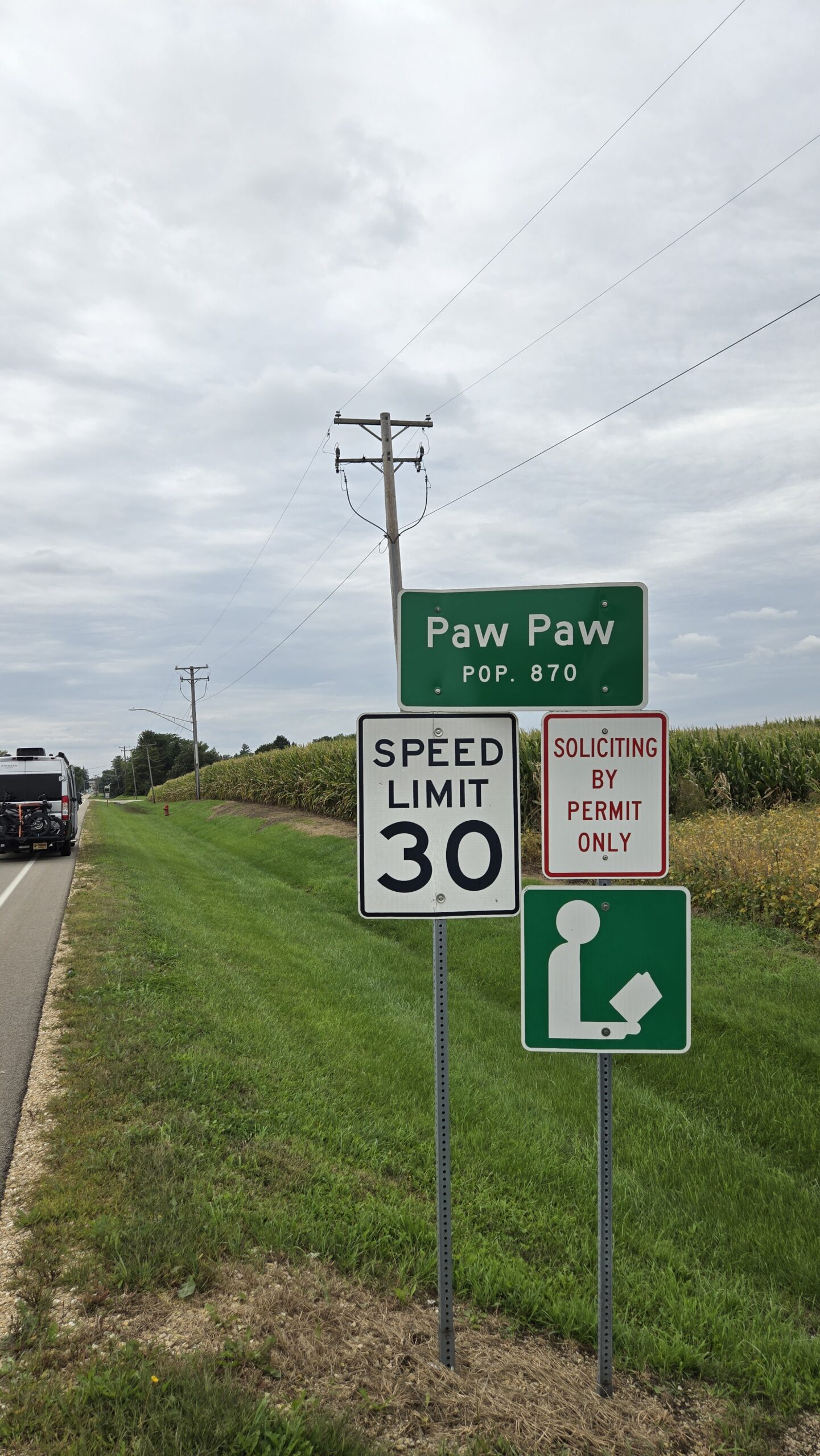
A couple of years ago, while visiting family in Sturgis, South Dakota, Doyl Fritz found three battered diary books on a bookshelf. The ink was faded and the pages water-stained from more than a century and a half of storage. He scanned them, used photo editing tools to enhance the handwriting, and began the slow, painstaking work of transcription. He later learned that three more volumes were in Paw Paw, Illinois — in the very house John Newton Prentice built in 1890, which is still standing and still in the family. In total, five diaries survived.
One portion of 1865 was missing, so John later reconstructed those weeks from memory in a new book. The result is an extraordinarily complete record covering late 1861 through the Grand Review in Washington in May 1865 and muster-out in Louisville that July.
Doyl, an engineer by training rather than a professional historian, added maps, photographs, and historical context as he worked. He has already shared the transcripts with authors and the curator at Shiloh National Military Park. Now, for the first time, anyone can read them here.
Read the introductory material and all five transcribed diary volumes on this page.
Who Was John Newton Prentice?
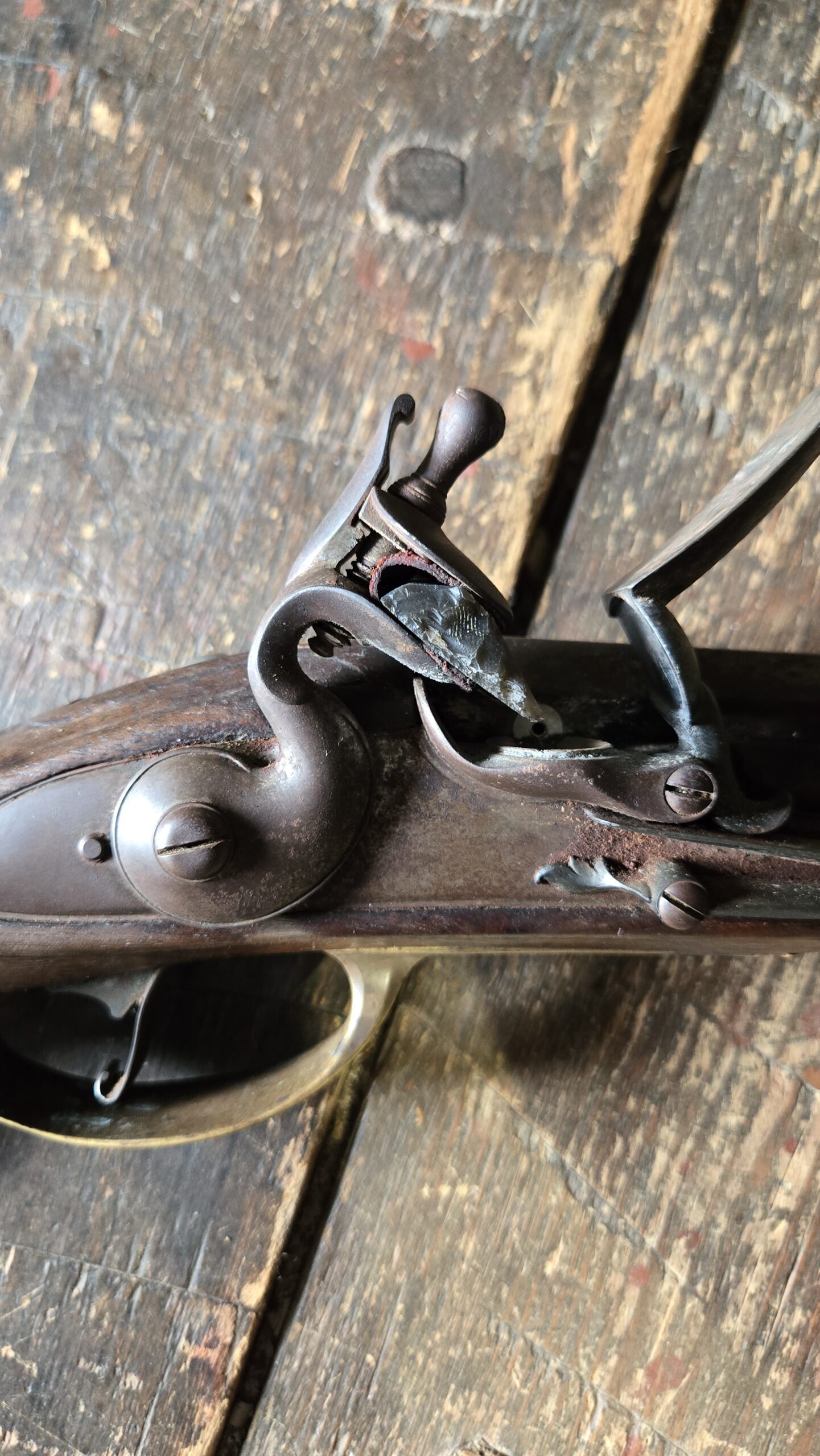
John Newton Prentice was born May 8, 1842. He enlisted at age 19 on October 31, 1861, in Company A of the 57th Illinois Volunteer Infantry, a regiment raised largely from the Mendota and Paw Paw area of northern Illinois. The men were issued old Harper’s Ferry muskets altered from flintlocks. Like so many units, the 57th suffered far more from disease than from enemy fire over the course of the war.
He served through some of the most important campaigns in the Western Theater:
- The capture of Fort Donelson (February 1862)
- The Battle of Shiloh (April 1862)
- The Siege and Battle of Corinth
- Operations in northern Alabama and Tennessee
- The Atlanta Campaign, including Resaca, New Hope Church, Kennesaw Mountain, and the Siege of Atlanta
- The Battle of Allatoona (where Company A saw heavy action)
- Sherman’s March to the Sea
- The Carolinas Campaign, including the entry into Columbia, South Carolina, and the Battle of Bentonville
- The Grand Review in Washington, D.C.
He re-enlisted as a veteran in January 1864 and returned home on furlough before rejoining the regiment for the final campaigns. After the war he returned to Paw Paw, Illinois, married Mary, raised five children, and built the house that still stands today. He died in 1912.
In His Own Words: Life as a Private in the Western Theater
What makes these diaries special is their consistency and honesty. John did not write for publication. He wrote for himself — and perhaps for the family he hoped to see again.
Here are just a few glimpses:
February 1862 – Fort Donelson Campaign
“Received a letter from home today. Another month has passed away with all its joys and sorrows.”
“The rebels attacked us this morning.”
“The rebels surrendered this morning and we are tonight in their camp.”
“I find myself in the hospital.”
October 1862 – Battle of Corinth
“The rebels attacked about 3 miles from Corinth with heavy force and our Division was compelled to fall back to the town but no farther.”
“The enemy are shelling the town at 10 a.m. A general engagement commenced early this morning and after desperate fighting they are whipped. Our forces have drove the enemy 8 miles and are still fighting.”
Christmas and New Year’s 1862–1863 (Corinth)
“No train from the north yet and we have to spend Christmas on half rations and nearly out of that.”
“We have drawn all the rations from the Commissary that we can get until communications are opened… We have had some geese for dinner that our boys dressed for the purpose so that New Year’s has not been as unpleasant as it might have been, however it is bad enough.”
June 1863 – Picket Duty
“Tuscumbia Creek. Am on picket again today. Had a fine lot of mulberries to eat which I found in the woods. It is very wet and rainy today to be out without tents but it is all in a soldier’s life.”
May 1864 – Battle of Resaca
“1½ p.m. The fighting has now commenced in earnest and with apparent good success for us but no doubt more severe will be the battle than yet. 7 p.m. The firing has nearly ceased and we have gone into camp. We expect hard work tomorrow.”
October 6, 1864 – After the Battle of Allatoona
“We are resting today after the severe fighting of yesterday. Our dead are being buried today. Co. A lost 5 men, our loss is very heavy. Our wounded are sent to Rome on the train.”
January 16, 1865 – Savannah, Georgia
“One by one, (our) number grows less, and each place is filled by new men. As I look through the Co. (and) I see but few that started out with me, I learn a lesson from this which I never can forget.”
April 17, 1865 – News of Lincoln’s Assassination
“We learn through what is supposed to be a reliable source that the President of the U.S. was killed by an assassin on the night of the 11th.”
Why These Diaries Deserve National Attention
Most published Civil War diaries and letters come from officers or from soldiers in the Eastern Theater. Complete, day-by-day enlisted men’s accounts from the Western Theater that cover the entire war are rare. John Newton Prentice’s diaries give us something precious: the perspective of a private who marched with Sherman, fought at Shiloh and Allatoona, witnessed the burning of Columbia, and was still with the regiment when Johnston surrendered.
They also humanize the statistics. We read about the joy of a letter from home, the misery of half rations, the quiet pride of gazing at the regimental flag, the grief of watching comrades die of disease or in battle, and the simple act of picking mulberries while on picket duty. We see a man of faith who attended church when he could and reflected on the lessons war taught him.
The fact that these fragile books survived at all — carried through four years of campaigning, stored for generations, and now transcribed through hundreds of hours of patient work — is itself a story worth telling.
Read the Full Diaries
Read the introductory material and all five transcribed diary volumes presented on this page.
A Living Legacy
John Newton Prentice’s story did not end in 1865. It continues through his son Arthur Prentice, his grandson Robert Leroy Prentice (U.S. Army Tech Sergeant, Korea), and down to our family today. The fact that his great-grandson Doyl Fritz would spend a year of his life giving these words back to the world says something important about how ordinary families keep history alive.
These diaries are no longer just family heirlooms. They are now part of the public record of the American Civil War — a private’s honest account of one of the most consequential periods in our nation’s story.
We invite you to read them, share them, and help keep this voice from the past alive.
Disclaimer: If using any part of these diaries or this article in print or other publications, please request permission from great-grandson Scott Prentice at scottlprentice@protonmail.com.
If you have connections to the 57th Illinois, to Paw Paw or Mendota, Illinois, or to any of the campaigns mentioned, we would love to hear from you by contacting scottlprentice@protonmail.com
The war may have ended in 1865, but thanks to five water-stained books and one cousin’s extraordinary dedication, the story of Private John Newton Prentice is just beginning to be told again.