



Ode’ to a Great Trojan Highlander

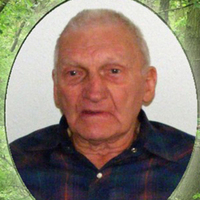
A Tribute to Alvin Carlson, My Fellow Highlander
As I sit here reflecting on my time in the Black Hills, one name stands out above the rest: Alvin Carlson, a true Trojan Highlander. Alvin wasn’t just a friend—he was a brother in spirit, a man whose big chest and even bigger heart defined what it meant to live tough and true at 6,800 feet. From our days wandering his property in Trojan, South Dakota, to our shared meals in Lead, Alvin’s presence was a constant reminder of the strength and wisdom it takes to thrive in these mountains.
Alvin was a medium-sized man, but his chest was something else—broad and barrel-like, built for the thin air of the Black Hills. I asked him about it once, curious why it seemed so outsized for his frame. With a glint in his eye, he explained it was the altitude. Living most of his life in Trojan, where oxygen is scarce, his body had adapted, his chest expanding to store more air. I believed him, not just because it made sense, but because Alvin had a way of speaking truth that you didn’t question. It was the kind of mountain wisdom you only gain from years of facing snowstorms, rugged trails, and the solitude of high elevation.
We spent countless days together, walking his land in Trojan or sitting on his front steps, gazing out over the Black Hills. The clouds would drift below us, and we’d swap stories about life on top of the world—tales of gold mining, surviving brutal winters, and the simple joy of breathing clear mountain air. Alvin had a knack for making you feel like you were part of something bigger, like the hills themselves were in on our conversations. Those moments, just two Highlanders sharing the quiet, are some of my fondest memories.
When I moved up to the Rubicon area and Alvin relocated to Lead, our bond didn’t fade. I’d swing by his new place often, bringing breakfast or lunch—sometimes just a sandwich, sometimes something heartier—so we could sit and talk about the old days. We’d dive into stories of gold mining, a trade Alvin knew well from his years at Bald Mountain Gold Mine and later Wharf Resources. He’d share tricks of mountain living, what he called “Mountain Smart”—the kind of know-how no one teaches you. How to dig out your house after a snowfall buries it to the roof. How to find a shovel you left against a tree under eight feet of snow. Alvin had seen it all, and his lessons were hard-earned, passed on with a chuckle and a nod.
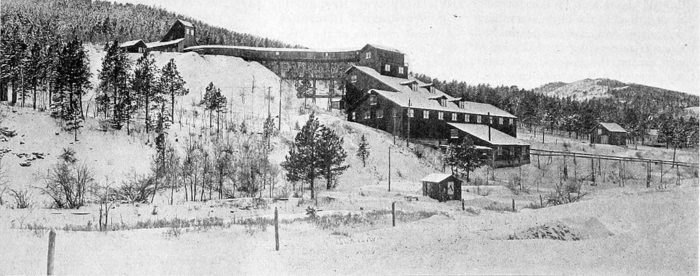
Alvin was one of the last to leave Trojan, a tiny mining town that’s now just a memory, erased by the march of progress and the gold mines that claimed it. I feel blessed to have known that place and its people, especially Alvin. He was tough as the granite under our feet, but his demeanor—warm, steady, and real—made him a man you couldn’t help but respect. He carried himself with the quiet strength of someone who’d faced life’s hardest challenges and come out wiser.
I’ll never forget the day he scared the living daylights out of me. It was just before he left Trojan, when the mining company was set to bulldoze his house. Alvin, knowing a crew would check the place for stragglers, set up a life-sized dummy on his couch, dressed to look like him, holding a newspaper, looking for all the world like a dead man. He sent me to grab his gas water heater before the demolition, and when I stepped into his living room, I saw that figure and nearly keeled over. My heart was pounding, but when I told Alvin, we laughed until we couldn’t breathe. Over breakfast later, we roared again, imagining the Wharf crew stumbling on that dummy and jumping out of their skin. That was Alvin—tough, clever, and always ready with a prank to keep life light.
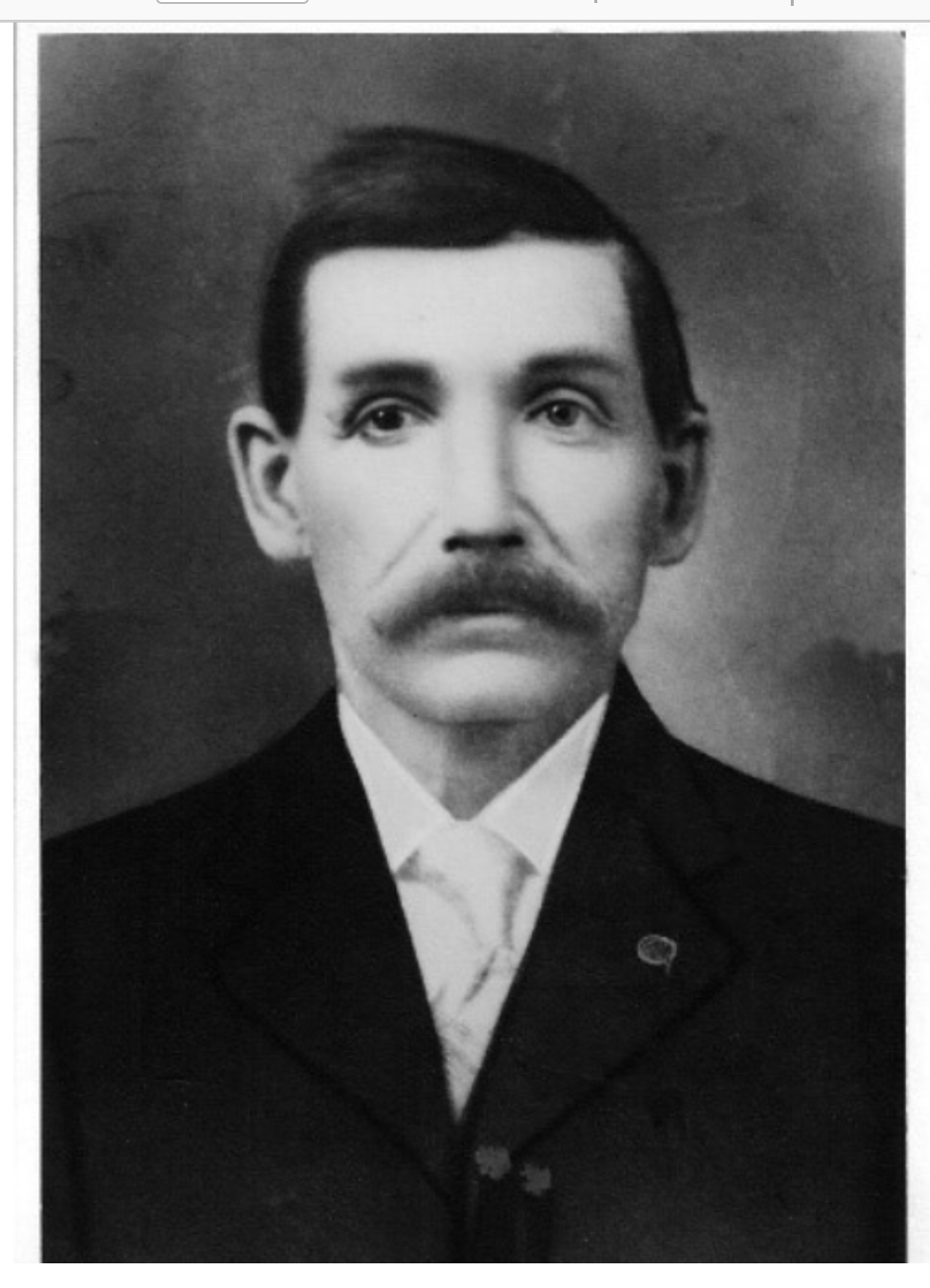
Alvin Roger Carlson was born on April 5, 1925, in Trojan, to Ancher and Vera Carlson. He grew up in the Black Hills, cutting timber, working for the railroad in Edgemont, and serving in the CCC Camps during World War II. In 1946, he married Ellen G. Mix in Sturgis, and together they raised three daughters: Jean, Sally, and Betty. Alvin’s career took him from the cement plants of Spokane to the chair lifts of Terry Peak and Deer Mountain, and finally back to the gold mines of Wharf Resources, where he retired at 69. He loved dancing, sharing stories with tourists about the Black Hills’ mining history, and being part of the Moose Lodge, Eagles, and Lead Senior Center. He was a man who lived for connection, whether with his family, his community, or the land he called home.
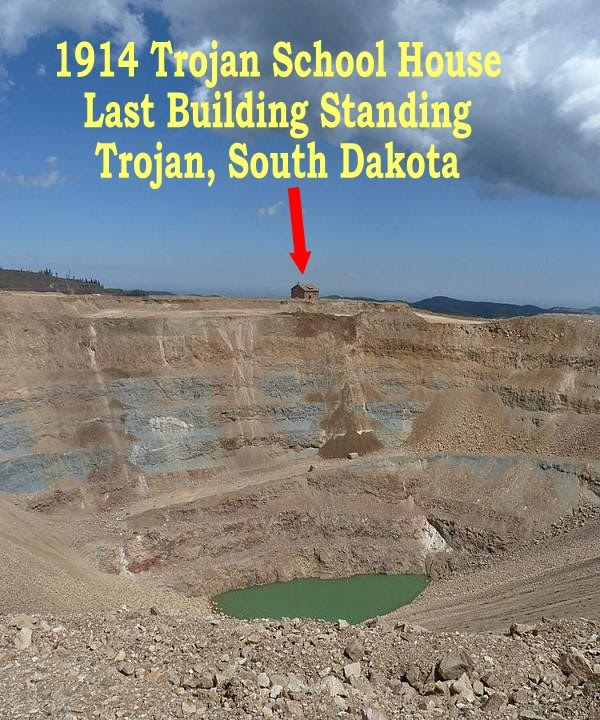
When I left Lead in 2014 for a new chapter on Florida’s sunny Gulf Coast, saying goodbye to Alvin was the hardest part. He passed away on February 27, 2014, at his home in Lead, at the age of 88. His committal and memorial services were held on March 8, 2014, at Oak Ridge Cemetery near Deadwood and Shepherd of the Hills Lutheran Church in Lead. He left behind his daughters, a sister, a brother-in-law, eight grandchildren, and ten great-grandchildren, along with countless memories for those of us lucky enough to call him a friend.
Alvin, you were a true Highlander, one of the last of Trojan’s old souls. I miss our talks, your stories, and that laugh that could shake the snow off the pines. Here’s to you, my friend—may your spirit rest easy in the hills we both loved.